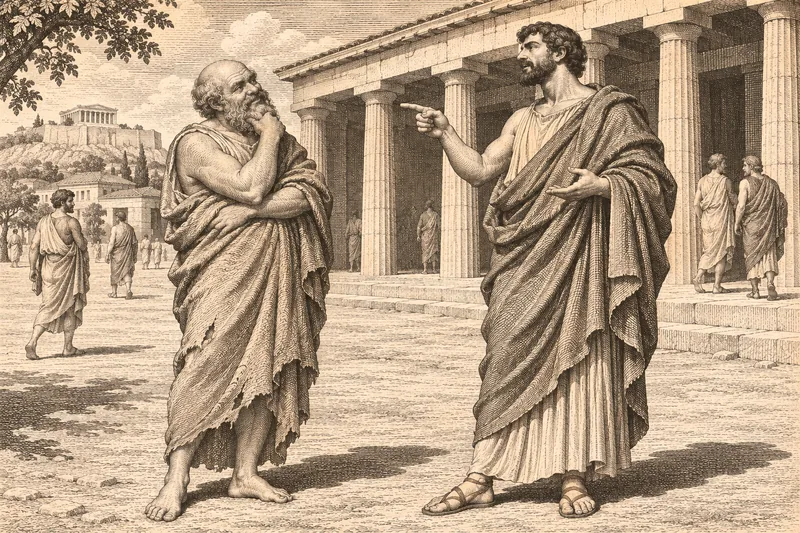
Euthyphro 2a What’s new, Socrates,1 that you’ve left your usual pursuits at the Lyceum and are now spending your time here by the porch of the King Archon? Surely you don’t have a lawsuita before the King Archon too, as I do?
Socrates The Athenians don’t call it a lawsuit, Euthyphro,2 but an indictment.
Euthyphro 2b What’s that? Someone has apparently indicted you—I wouldn’t accuseb you of indicting anyone else.
Socrates Certainly I haven’t.
Euthyphro But someone else has indicted you?
Socrates Yes, certainly.
Euthyphro Who?
Socrates I hardly know the man myself, Euthyphro: he seems young and little known. They call him Meletus,3 I believe, and his deme is Pitthus, if you can bring to mind a Meletus from Pitthus with straight hair, a sparse beard, and a rather hooked nose.
Euthyphro I can’t place him, Socrates. But what indictment 2c has he filed against you?
Socrates What kind? No mean one, I’d say: grasping so important a matter while still young is no small achievement. He claims, after all, to know how the young are corrupted and who corrupts them. And apparently he’s a wise man: he has spotted my ignorance—how I corrupt people his own age—and is coming to accuse me before the city as if before a mother. Of those active in public affairs, 2d he seems to me the only one making the right beginning, because it is right to care first for the young, so that they become as good as possible, just as you would expect a good farmer to care first for young plants and then for the rest.
Socrates And perhaps Meletus is first 3a clearing away those of us who corrupt the young shoots, as he puts it; afterward, he will plainly care for the older people and bring the city a vast number of enormous benefits—as you would expect of someone who begins in this way.
Euthyphro I would like that, Socrates, but I’m afraid the opposite may happen. For it seems to me that, in trying to wrong you, he starts harming the city at its very hearth.4 And tell me, just what does he claim you do to corrupt the young?
Socrates 3b Strange things, my admirable friend, at least on first hearing. He calls me a makerc of gods, you see, and says I make new gods and don’t acknowledged the old ones; he has indicted me on those very grounds,e he says.
Euthyphro I understand, Socrates. It’s because you say the divine sign5 keeps coming to you. So he has filed this indictment charging you with innovations in divine matters and is coming to court to slander you, knowing how readily most people accept slander about such things. After all, they laugh at me too 3c as if I were mad when I speak in the Assembly6 about divine matters and predict the future for them; yet not one of my predictions has been untrue, and still they envy all people like us. But we must take no notice of them and meet them head-on.
Socrates My dear Euthyphro, being laughed at may be no great matter. For the Athenians, it seems to me, don’t much care if they think someone clever, provided he doesn’t teach his own wisdom, but when they think he 3d makes other people like himself, they get angry, whether from envy, as you say, or for some other reason.
Euthyphro Then I have no great desire to find out how they feel about me on that point.
Socrates Perhaps that’s because you seem to make yourself scarce and to be unwilling to teach your wisdom, while I’m afraid that my love of people makes them think I pour out everything I have to anyone at all, not only without a fee, but even glad to pay something myself if anyone wants to listen. So if, as I was saying, they’re going to laugh at me as 3e you say they do at you, there would be nothing unpleasant about passing the time in court with jokes and laughter; but if they’re in earnest, no one knows how it will end except you diviners.
Euthyphro Perhaps it won’t be any trouble, Socrates, and your lawsuit will go as you wish; I expect mine will too.
Socrates What’s your lawsuit about, Euthyphro? Are you defending it or prosecuting?f
Euthyphro Prosecuting.
Socrates Whom?
Euthyphro 4a Someone whose prosecution makes people think I’m mad again.
Socrates Why? Are you chasing someone who’s flying away?
Euthyphro He’s a long way from flying—he happens to be a very old man.
Socrates Who is it?
Euthyphro My father.7
Socrates Your own father, my good man?
Euthyphro Yes, certainly.
Socrates What is he accused of, and what’s the lawsuit about?
Euthyphro Killing,8 Socrates.
Socrates Heracles!9 Euthyphro, most people surely don’t know where the right course lies: I don’t think just anyone could 4b do this rightly, only someone who has already come a long way in wisdom.
Euthyphro A long way indeed, Socrates, by Zeus.10
Socrates Was the man11 your father killed one of your relatives? Or is that obvious? You surely wouldn’t prosecute him for killing someone outside the family.
Euthyphro It’s ridiculous, Socrates, that you think it matters whether the dead man is a stranger or a relative, when the only thing to consider is whether the killer acted rightly: if he did, leave him alone; if he didn’t, prosecute him, provided he shares your hearth 4c and your table.g For the pollution12 is the same when you knowingly live with such a person without purifying yourself and him through a prosecution. The dead man was a dependent of mine, and when we were farming on Naxos,13 he worked there for us as a hired laborer. Then he grew violent in his drink, got angry with one of our household slaves, and cut his throat. My father then tied his hands and feet, threw him into a ditch, and sent a man here to ask the religious interpreter14 what he should 4d do. Meanwhile, he thought little of the prisoner and neglected him, on the grounds that he was a man-killer and it wouldn’t matter even if he died—which is just what happened. For hunger, cold, and the bonds killed him before the messenger got back from the interpreter. So my father and the rest of our family are indignant that I’m prosecuting my father for killing, on behalf of a man-killer. They say my father didn’t kill him, and that even granting he did, I shouldn’t concern myself with someone who was himself a man-killer, because it is impioush 4e for a son to prosecute his father for killing. They have a poor understanding, Socrates, of what is pious and impious in the gods’ eyes.
Socrates By Zeus, Euthyphro, do you think your knowledge of divine matters and of what is pious and impious is so precise that, with events just as you describe them, you have no fear that prosecuting your father might be an impious action on your part?
Euthyphro For I’d be of no use at all, Socrates, and 5a Euthyphro would have nothing to set him apart from most people if I didn’t know all these things precisely.
Socrates Then wouldn’t the best course for me, my admirable Euthyphro, be to become your pupil and challenge Meletus on this very point before his indictment comes to trial? I’d tell him that I have always thought it important to understand divine matters, and that now, since he says I’m doing wrong by improvising and introducing innovations in divine matters, I’ve become your pupil. I’d say, “Meletus, if you accept that Euthyphro is 5b wise in these matters, accept that my beliefs, too, are sound, and don’t take me to court; if you don’t, bring a lawsuit against him, my teacher, before you bring one against me, for corrupting older people, me and his own father: me by teaching me, and his father by correcting and punishing him.” And if he doesn’t listen to me and won’t either drop the lawsuit or indict you in my place, shouldn’t I repeat in court the very challenge I made to him?
Euthyphro Yes, by Zeus, Socrates. If he were to try 5c to indict me, I think I’d find where he is rotten, and our talk in court would turn to him long before it turned to me.
Socrates That’s just why I want to become your pupil, my dear friend: I know that neither this Meletus nor anyone else seems even to see you, but he has spotted me with such extraordinary sharpness and ease that he has indicted me for impiety. By Zeus, then, tell me what you were just insisting you knew so clearly: what is devout, and what is irreligious, 5d where killing or anything else is concerned? Isn’t the pious the same as itself in every action, while the impious is the opposite of everything pious, yet always like itself, with everything impious sharing a single formi in its impious character?
Euthyphro Certainly, Socrates.
Socrates What, then, do you say is pious, and what is impious?
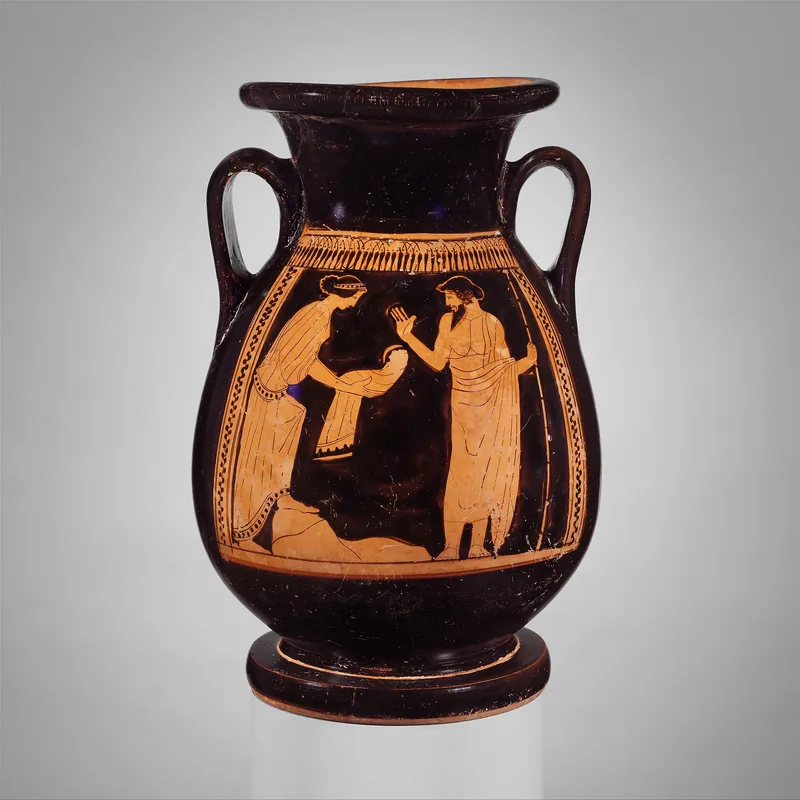
Euthyphro What’s pious, then, is what I’m doing now: prosecuting someone who does wrong, whether by killing, stealing sacred property, or committing some other such offense, whether the offender is your father 5e or mother or anyone else; failing to prosecute is impious. For consider, Socrates, the powerful evidence I’ll give you that the law stands as I say—a point I’ve already made to others, that this is the right way to act: we must not let someone who acts irreligiously get away with it, whoever he may be. For these very people regard Zeus as the best of the gods, and the most just, 6a and acknowledge that he bound his father15 for wrongfully swallowing his sons, and that Zeus’s father, in turn, castrated his own father for other acts of the same kind; yet they are angry with me for prosecuting my father when he has done wrong, and so they contradict themselves in what they say about the gods and about me.
Socrates Could this be the reason I’m facing that indictment, Euthyphro—that when someone tells such stories about the gods, I find them rather hard to accept? That seems to be why someone will say I’m doing wrong. But now, if even you agree with these stories—you who 6b know such matters so well—it seems we too must accept them. What else can we say, since we ourselves admit to knowing nothing about them? But tell me, by the god of friendship,16 do you truly think these events happened as described?
Euthyphro Yes, Socrates—and things more astonishing still, which most people don’t know about.
Socrates And do you think the gods really wage war on one another, with terrible enmities and battles and many other things of that sort, as the poets relate and the 6c fine painters depict in our sacred places—and as the robe17 carried up to the Acropolis at the Great Panathenaea shows, covered with these embroidered designs? Are we to say these things are true, Euthyphro?
Euthyphro Not just these, Socrates, but as I said a moment ago, I’ll tell you many other things about the gods, if you wish, that I’m sure will astonish you when you hear them.
Socrates That wouldn’t surprise me. But you can tell me those stories another time, when we have leisure; for now, try to give me a 6d clearer answer to the question I just asked. For, my friend, you didn’t teach me adequately earlier when I asked what the pious was: you told me that what you are now doing, prosecuting your father for killing, was pious.
Euthyphro And I was telling the truth, Socrates.
Socrates Perhaps. But you do say there are many other pious things, Euthyphro.
Euthyphro There are indeed.
Socrates Do you remember, then, that I wasn’t asking you to teach me one or two of the many pious things, but that very form by which every pious thing is pious? For you said, I think, that it was through one formj 6e that impious things were impious and pious things pious. Or don’t you remember?
Euthyphro I do.
Socrates Then teach me what that very form is, so that I can look to it and use it as a model, calling any action of yours or anyone else’s pious if it is like that form, and not calling it pious if it isn’t.
Euthyphro Well, if that’s how you want it, Socrates, that’s how I’ll explain it.
Socrates It certainly is.
Euthyphro Whatever is pleasing to the gods,k then, is pious; 7a whatever isn’t pleasing to them is impious.
Socrates Splendid, Euthyphro. Now you have answered in the way I asked you to. Whether it’s true, though, I don’t yet know; you will plainly go on to show me that what you say is true.
Euthyphro Of course.
Socrates Come, let’s examine what we’re saying. A thing or person dear to the gods is pious, while a thing or person hated by the gods is impious, and the pious and the impious are not the same but utterly opposed. Isn’t that so?
Euthyphro Exactly.
Socrates And it seems well said?
Euthyphro 7b I think so, Socrates. That is what we said, after all.
Socrates And wasn’t this said too, Euthyphro: that the gods quarrel and disagree, with enmity between them?
Euthyphro Yes, that was said.
Socrates But disagreements about what, my excellent friend, produce enmity and anger? Look at it this way: if you and I disagreed over numbers—over which of two amounts was greater—would the disagreement make us enemies and angry with one another, or would we do the calculation and quickly 7c settle it?
Euthyphro We certainly would.
Socrates And if our disagreement were over larger and smaller, wouldn’t measuring soon settle it?
Euthyphro That’s so.
Socrates And weighing would settle a disagreement over heavier and lighter, I suppose?
Euthyphro Why wouldn’t it?
Socrates Then what could we disagree about, without reaching a decision, that would make us enemies and angry with one another? Perhaps you don’t have an answer ready, but consider my suggestion: 7d are our disagreements about right and wrong, fine and shameful, good and bad? Isn’t it disagreement about these things, when we can’t reach a satisfactory decision, that makes us enemies of one another—you, me, and everyone else—whenever we do become enemies?
Euthyphro Yes, Socrates, that’s the disagreement, and those are the matters it concerns.
Socrates And the gods, Euthyphro? If they disagree at all, wouldn’t it be about those very things?
Euthyphro It must be.
Socrates 7e Then by your account, my noble Euthyphro, different gods have different views of what is right, fine or shameful, good or bad, since they surely wouldn’t quarrel with one another if they didn’t disagree about these things. Isn’t that right?
Euthyphro You’re right.
Socrates And each group loves what it considers fine, good, and right, and hates the opposites?
Euthyphro Certainly.
Socrates Yet, as you say, some of them consider the very same things right 8a and others wrong, and they quarrel and wage war on one another in disputing them. Isn’t that so?
Euthyphro That’s so.
Socrates So it seems the gods both hate and love the same things, and those same things would be both hated by the gods and dear to the gods.
Euthyphro It seems so.
Socrates On that account, Euthyphro, the same things would be both pious and impious.
Euthyphro It looks that way.
Socrates Then you haven’t answered what I asked, my admirable friend. For I wasn’t asking for something that turns out to be both pious and impious; yet it seems that whatever is dear to the gods is hated by the gods as well. 8b So there would be nothing surprising, Euthyphro, if by punishing your father as you are now, you were doing something pleasing to Zeus but hateful to Cronus and Uranus,18 dear to Hephaestus19 but hateful to Hera, and the same would hold for any other gods who disagree about it.
Euthyphro But I think, Socrates, that none of the gods disputes this with another or claims that a person who kills someone wrongfully need not pay the penalty.l
Socrates What about human beings, Euthyphro? Have you ever heard anyone 8c argue that someone who kills wrongfully, or commits any other wrong at all, need not pay the penalty?
Euthyphro On the contrary, they never stop arguing that, both in the courts and elsewhere: they do a vast amount of wrong, and they’ll do or say anything to escape the penalty.
Socrates But do they admit they’ve done wrong, Euthyphro, and, despite admitting it, say they need not pay the penalty?
Euthyphro No, certainly not.
Socrates Then they don’t do and say absolutely anything. After all, I don’t think they dare say or argue that if 8d they really have done wrong they need not pay the penalty; instead, I think, they deny having done wrong. Isn’t that so?
Euthyphro That’s true.
Socrates Then they aren’t arguing that a wrongdoer need not pay the penalty; perhaps their dispute is over who the wrongdoer is, what he does, and when.
Euthyphro That’s true.
Socrates Then isn’t just the same true of the gods, if they quarrel over right and wrong, as your account says, with some accusing one another of wrongdoing and others denying it? After all, my admirable friend, surely no one, god or 8e human being, dares claim that a wrongdoer need not pay the penalty.
Euthyphro Yes, what you say is true, Socrates—about the general principle, at least.
Socrates But I think, Euthyphro, that those who dispute, whether human beings or gods—if gods do dispute—are disputing each particular action: they disagree about an action, with some saying it was done rightly and others wrongly. Isn’t that so?
Euthyphro Certainly.
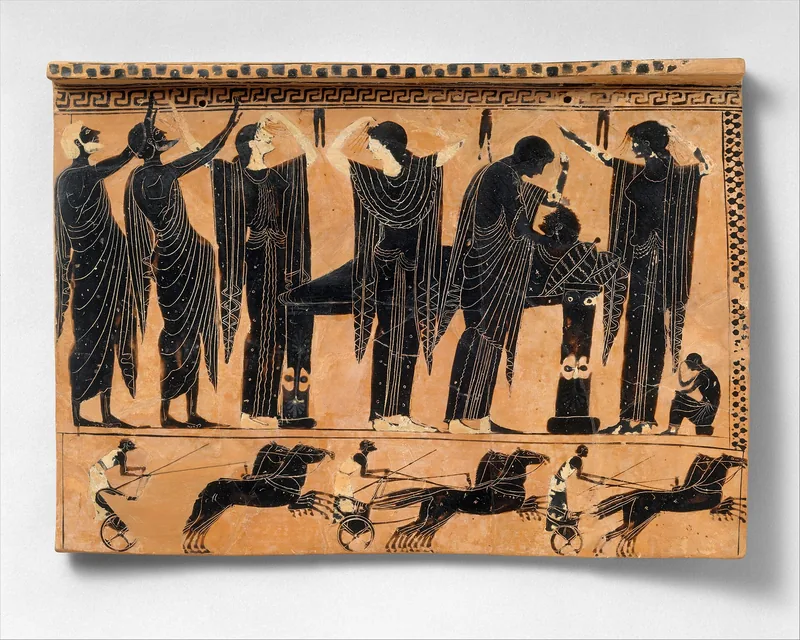
Socrates 9a Come now, my dear Euthyphro, teach me too, so that I may be wiser. A hired laborer becomes a man-killer, is bound by his victim’s master, and dies because of his bonds before the man who bound him learns from the religious interpreters what he should do with him. What evidence do you have that all the gods regard such a death as wrong, and regard it as right for a son to prosecute his father and formally accuse him of killing on such a man’s behalf? Come, try to give me 9b clear evidence about this, that all the gods most certainly consider this action right; if you show me convincingly, I’ll never stop praising you for your wisdom.
Euthyphro It might take a good deal of work, Socrates, though I could explain it to you very clearly.
Socrates I see: you think I’m slower to learn than the jurors,20 since you will obviously show them that these actions are wrong and that all the gods hate such things.
Euthyphro Quite clearly, Socrates—provided they listen to what I say.
Socrates 9c But they will listen, if you seem to speak well. But while you were talking, this occurred to me, and I’m considering it for myself: “Even if Euthyphro were to teach me as clearly as he could that all the gods think a death of this kind is wrong, what more have I learned from Euthyphro about what the pious and the impious are? For that action would, it seems, be hated by the gods. But we just found that the pious and its opposite weren’t defined by that, because what is hated by the gods also proved to be dear to the gods.” So I release you from that point, Euthyphro: if you like, let every god regard it 9d as wrong, and let them all hate it. But is this the correction you want us to make to our account, to define the pious and the impious now: whatever all the gods hate is impious, whatever they love is pious, and whatever some love and others hate is neither or both?
Euthyphro What’s to stop us, Socrates?
Socrates Nothing as far as I’m concerned, Euthyphro, but consider your own position: whether adopting this assumption will make it easiest for you to teach me what you promised.
Euthyphro 9e Well, I would say the pious is whatever all the gods love, and its opposite, whatever all the gods hate, is impious.
Socrates Shouldn’t we, then, Euthyphro, examine this in turn to see whether it is well said, or are we to let it stand and accept statements from ourselves and from others in this way, agreeing that things are so merely because someone says they are? Or should we examine what the speaker says?
Euthyphro We should examine it, though I think this is well said as it stands.
Socrates 10a We may soon understand it better, my good friend. For consider this: do the gods love the pious because it is pious, or is it pious because they love it?
Euthyphro I don’t understand what you’re saying, Socrates.
Socrates Then I’ll try to make it clearer. We speak of something being carried and something carrying, something being led and something leading, something being seen and something seeing. Do you understand that all such things are different from one another, and how they differ?
Euthyphro I think I understand.
Socrates And there is something being loved, distinct from what loves it?
Euthyphro Of course.
Socrates 10b Tell me, then: is something “carried”m because someone carries it, or for another reason?
Euthyphro No, for that reason.
Socrates And something is “led” because someone leads it, and “seen” because someone sees it?
Euthyphro Certainly.
Socrates So people do not see something because it is “seen”; on the contrary, it is “seen” because people see it. Nor do people lead something because it is “led”; it is “led” because people lead it. And people do not carry something because it is “carried”; it is “carried” because people carry it. Do you see plainly, Euthyphro, what 10c I mean? I mean this: if something comes to be or undergoes something, it does not come to be because it is “coming to be,” but is “coming to be” because it comes to be; nor does it undergo something because it is “undergoing” it, but is “undergoing” it because it undergoes it. Or don’t you agree?
Euthyphro I agree.
Socrates Then something “loved,” too, is either coming to be or undergoing something at someone’s hands?
Euthyphro Certainly.
Socrates So the same holds here as before: being “loved” is not the reason those who love it love it; it is “loved” because they love it?
Euthyphro It must be.
Socrates 10d What, then, do we say about the pious, Euthyphro? According to your account, all the gods love it, don’t they?
Euthyphro Yes.
Socrates For being pious, or for some other reason?
Euthyphro No, for being pious.
Socrates So the gods love it for being pious; it is not pious because they love it?
Euthyphro So it seems.
Socrates But surely a thing is “loved” and “dear to the gods” precisely because the gods love it.
Euthyphro Of course.
Socrates So “dear to the gods” is not “pious,” Euthyphro, nor is “pious” “dear to the gods,” as you say: the two are different.
Euthyphro 10e How is that, Socrates?
Socrates Because we agree that the gods love the pious for being pious, and that their loving it does not make it pious. Isn’t that so?
Euthyphro Yes.
Socrates But we agree that being loved by the gods is just what makes something “dear to the gods”; being “dear to the gods” is not why they love it.
Euthyphro That’s true.
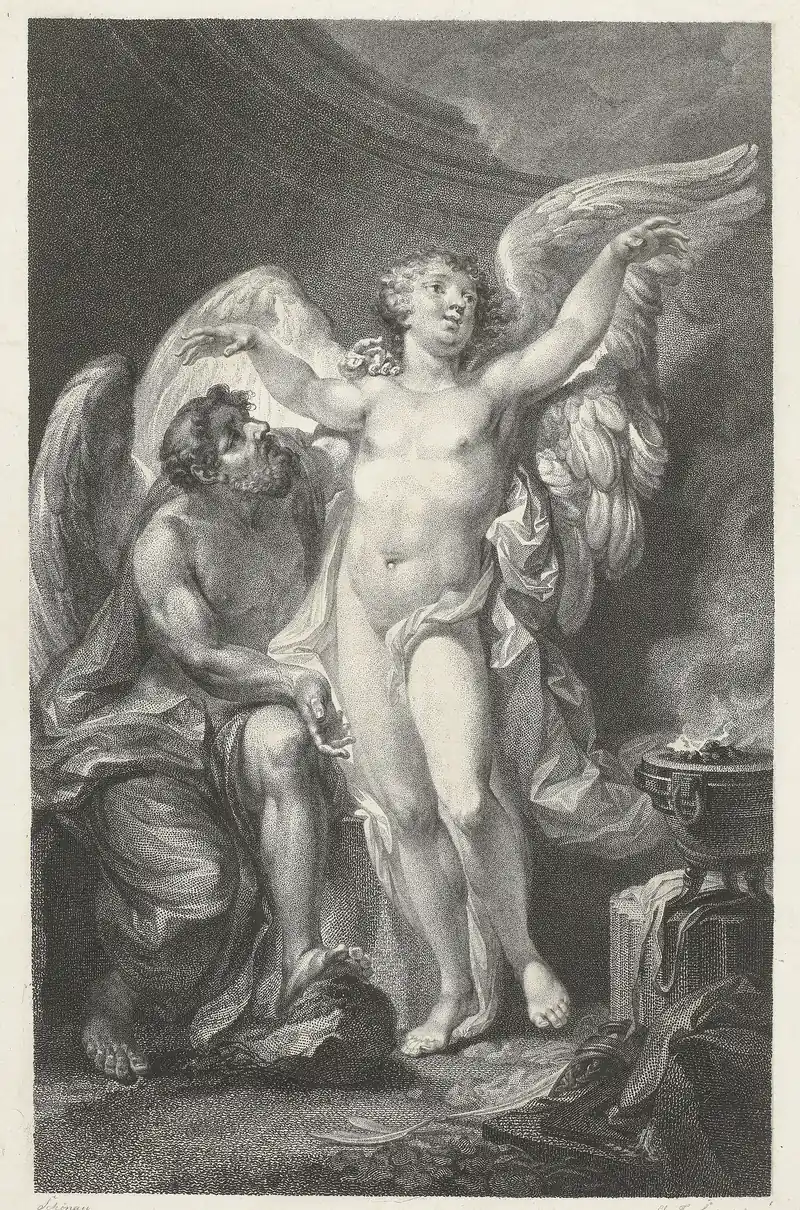
Socrates But, my dear Euthyphro, if “dear to the gods” and “pious” were the same, then if the 11a pious were loved for being pious, what is dear to the gods would also be loved for being dear to the gods; and if what is dear to the gods were dear to the gods because it is loved by them, the pious would also be pious because it is loved. Yet you see that their relations are reversed, since they are entirely different things: being loved makes the one lovable,n while being lovable makes the other loved. And it seems, Euthyphro, that when asked what the pious really is, you are unwilling to explain its essence and instead describe something that happens to it: the pious has this happen to it, that all the 11b gods love it. But you haven’t yet said what it is. So, if you please, don’t hide it from me; start again and say what the pious actually is, whether the gods love it or anything else happens to it—we won’t disagree about that—but be willing to tell me what the pious and the impious are.
Euthyphro But I can’t find a way to tell you what I mean, Socrates: whatever we put forward somehow keeps moving around and refuses to stay where we set it.
Socrates These statements of yours, Euthyphro, seem to be the work of my ancestor 11c Daedalus.21 If I were making these claims and putting them forward, you might tease me that, because of my kinship with him, my creations in words also run away and refuse to stay wherever anyone puts them; but the claims are yours, so we need some other joke, since they refuse to stay put for you, as you yourself think.
Euthyphro I think much the same joke fits these statements, Socrates, because I’m not the one making them wander about and refuse to stay in place: 11d you seem to me to be the Daedalus here, since for my part they would stay as they are.
Socrates Then, my friend, it seems I have surpassed that man in his craft to this extent: he made only his own works refuse to stand still, while I apparently do the same to other people’s as well as my own. And the finest touch in my craft is that I’m wise against my will: I would rather have my statements stay put and stand immovably fixed than gain the wisdom of 11e Daedalus together with the wealth of Tantalus.22 Enough of that. Since you seem to be indulging yourself, I’ll join in the effort myself and show you how you might teach me about the pious. Don’t give up too soon: consider whether you think everything pious must be just.
Euthyphro I do.
Socrates Then is everything just also pious, or is what is pious 12a all just, while what is just is not all pious, but partly pious and partly something else?
Euthyphro I’m not following what you’re saying, Socrates.
Socrates Yet you are younger than I am by at least as much as you are wiser. But, as I say, your wealth of wisdom makes you indulge yourself. Make an effort, my dear fellow, because what I’m saying isn’t hard to grasp. For I mean the opposite of what the poet23 wrote when he composed these lines:
“But Zeus, who did it and brought all this to birth, 12b is one he will not reproacho: for where fear is, shamep is too.”
So I disagree with this poet. Shall I tell you on what point?
Euthyphro Please do.
Socrates I don’t think shame is wherever fear is, because many people, it seems to me, fear disease, poverty, and plenty of other things of that sort, yet feel no shame at all before the things they fear. Don’t you think so too?
Euthyphro Certainly.
Socrates But I do think fear is wherever shame is: can anyone feel shame over an action and be ashamed of it without also dreading 12c and fearing a reputation for wickedness?
Euthyphro He certainly does fear it.
Socrates Then the saying “For where fear is, shame is too” is wrong: where shame is, fear is too, but shame is not everywhere fear is, because fear, I think, extends further than shame. For shame is part of fear, just as odd numbers are part of number, so not every number is odd, but every odd number is a number. You follow me now, I suppose?
Euthyphro Perfectly.
Socrates That, then, was the kind of question I was asking earlier: where there is 12d justice, is there piety too, or is it that where there is piety there is justice too, but where there is justice there is not always piety, since piety is part of justice? Shall we say that, or do you take another view?
Euthyphro No, let’s say that; I think what you’re saying is right.
Socrates Now look at what comes next: if piety is part of justice, we apparently have to discover which part of justice it is. If you asked me about one of the examples just mentioned—say, which part of number an even number is, and what kind of number that is—I would answer, “A number with equal legs, not unequal ones.”q Don’t you agree?
Euthyphro I do.
Socrates 12e Now try to teach me in the same way which part of justice is pious, so that we can also tell Meletus to stop treating us unjustly and indicting us for impiety, since we have now learned enough from you about what is devout and pious and what is not.
Euthyphro This is how I see it, Socrates: the devout and pious part of justice is the part concerned with carer for the gods, while the part concerned with care for human beings is the rest of justice.
Socrates What you say sounds good to me, Euthyphro, but 13a there is still one small thing I need: I don’t yet understand what you mean by care. For surely you don’t mean that care for the gods is like the care given to other things? After all, we say, for example, that not everyone knows how to care for horses—only a horseman—don’t we?
Euthyphro Certainly.
Socrates Horsemanship, after all, is care for horses.
Euthyphro Yes.
Socrates Nor does everyone know how to care for dogs; only a hunter does.
Euthyphro That’s so.
Socrates For surely the hunter’s craft is care for dogs.
Euthyphro 13b Yes.
Socrates And the oxherd’s craft is care for oxen.
Euthyphro Certainly.
Socrates And piety and devoutness are care for the gods, Euthyphro—is that your meaning?
Euthyphro It is.
Socrates Doesn’t every kind of care achieve the same thing? I mean this: it aims at some good and benefit for the one cared for, just as you can see that horses benefit and become better when cared for through horsemanship. Don’t you think so?
Euthyphro I do.
Socrates Dogs likewise benefit from the hunter’s craft, and 13c oxen from the oxherd’s, and the same holds for everything else; or do you think care is meant to harm whatever is cared for?
Euthyphro Certainly not, by Zeus.
Socrates But to benefit it?
Euthyphro Of course.
Socrates Then does piety, as care for the gods, benefit the gods and make them better? Would you agree that when you do something pious, you make one of the gods better?
Euthyphro By Zeus, I would not.
Socrates For I don’t think that’s what you mean either, Euthyphro—far from it—but that is precisely why I asked 13d what you mean by care for the gods: I did not think you meant that sort.
Euthyphro You’re quite right, Socrates; I don’t mean that sort.
Socrates Very well. What kind of care for the gods would piety be?
Euthyphro The kind slaves give their masters, Socrates.
Socrates I see: it would seem to be some kind of assistance to the gods.
Euthyphro Exactly.
Socrates Then can you tell me what result assistance to doctors helps produce? Health, wouldn’t you say?
Euthyphro I would.
Socrates 13e What about assistance to shipbuilders? What result does it help produce?
Euthyphro A ship, obviously, Socrates.
Socrates And assistance to house builders produces a house, surely?
Euthyphro Yes.
Socrates Tell me, my good friend: what result would assistance to the gods help produce? You clearly know, after all, since you claim to understand matters concerning the gods better than anyone.
Euthyphro And my claim is true, Socrates.
Socrates Then tell me, by Zeus: what is that supremely fine result the gods produce with us as their assistants?
Euthyphro Many fine results, Socrates.
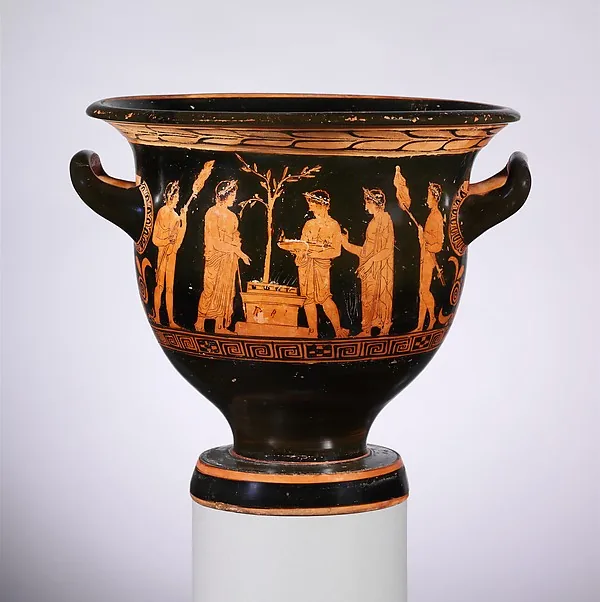
Socrates 14a So do generals, my friend, yet you could easily say what their main result is: they achieve victory in war, don’t they?
Euthyphro Certainly.
Socrates Farmers too, I think, produce many fine results, but the main result of their work is food from the earth.
Euthyphro Yes, certainly.
Socrates What, then, of the gods’ many fine results? What is the main result of their work?
Euthyphro I told you a little earlier, Socrates, that 14b it takes more effort to learn exactly how all this stands. But I can tell you this plainly: if you know how to say and do things pleasing to the gods when you pray and sacrifice,24 those things are pious and preserve both private households and the public life of cities, while the opposites of what pleases them are impious and overturn and destroy everything.
Socrates You could have given me the main point of my question in far fewer words, Euthyphro, if you had wanted to; but you’re clearly not 14c eager to teach me. For just now, when you were right at the point, you turned aside; had you answered, I would by now have learned enough about piety from you. As it is, since a lovers must follow his beloved wherever he leads, what, once again, are you saying the pious and piety are? A kind of knowledge of how to sacrifice and pray, aren’t they?
Euthyphro Yes, that’s what I’m saying.
Socrates And sacrifice is giving gifts to the gods, while prayer is asking things of them?
Euthyphro Quite so, Socrates.
Socrates 14d By this account, then, piety would be knowledge of how to ask things of the gods and give things to them.
Euthyphro You’ve understood my meaning very well, Socrates.
Socrates For I long for your wisdom, my friend, and keep my mind on it, so none of your words will fall to the ground. But tell me what this assistance to the gods is: you say we ask things of them and give things to them?
Euthyphro I do.
Socrates Then asking properly would mean asking them for what we need from them, wouldn’t it?
Euthyphro What else would it mean?
Socrates 14e And giving properly, in turn, would mean giving back to them as gifts whatever they need from us? For giving someone presents he has no need of would surely not be skillful.
Euthyphro That’s true, Socrates.
Socrates Then piety would be an art of trade between gods and human beings, Euthyphro.
Euthyphro Trade, if you prefer that name.
Socrates I have no preference for it unless it happens to be true. But tell me: what benefit do the gods get from the gifts they receive from us? For what they give 15a is plain to everyone, since we have nothing good that they do not give us; but how do they benefit from what they receive from us? Or do we get so much the better of them in this trade that we receive every good thing from them, while they receive nothing from us?
Euthyphro But do you suppose, Socrates, that the gods benefit from these things they receive from us?
Socrates Then what could these gifts of ours to the gods be, Euthyphro?
Euthyphro What else do you think, except honor, tributes, and, as I just said, pleasure?t
Socrates 15b Then the pious is pleasing to the gods, Euthyphro, but brings them no benefit and is not cherishedu by them?
Euthyphro I think it is cherished more than anything.
Socrates So once again, it seems, the pious is what the gods cherish.
Euthyphro Very much so.
Socrates Then, when you say that, will you be surprised if your statements seem to walk about instead of staying still, and will you accuse me of being the Daedalus who sets them walking, when you are far more skilled than Daedalus yourself and make them go round in a circle? Don’t you see that our argument has gone around and come back to the same 15c place? For you surely remember that earlier we found “pious” and “dear to the gods” were different, not identical—or don’t you remember?
Euthyphro I do.
Socrates Then don’t you see that you are now calling what the gods cherish pious? And surely that amounts to “dear to the gods,” does it not?
Euthyphro Certainly.
Socrates Either our earlier agreement was mistaken, then, or, if it was sound, our present claim is wrong.
Euthyphro So it appears.
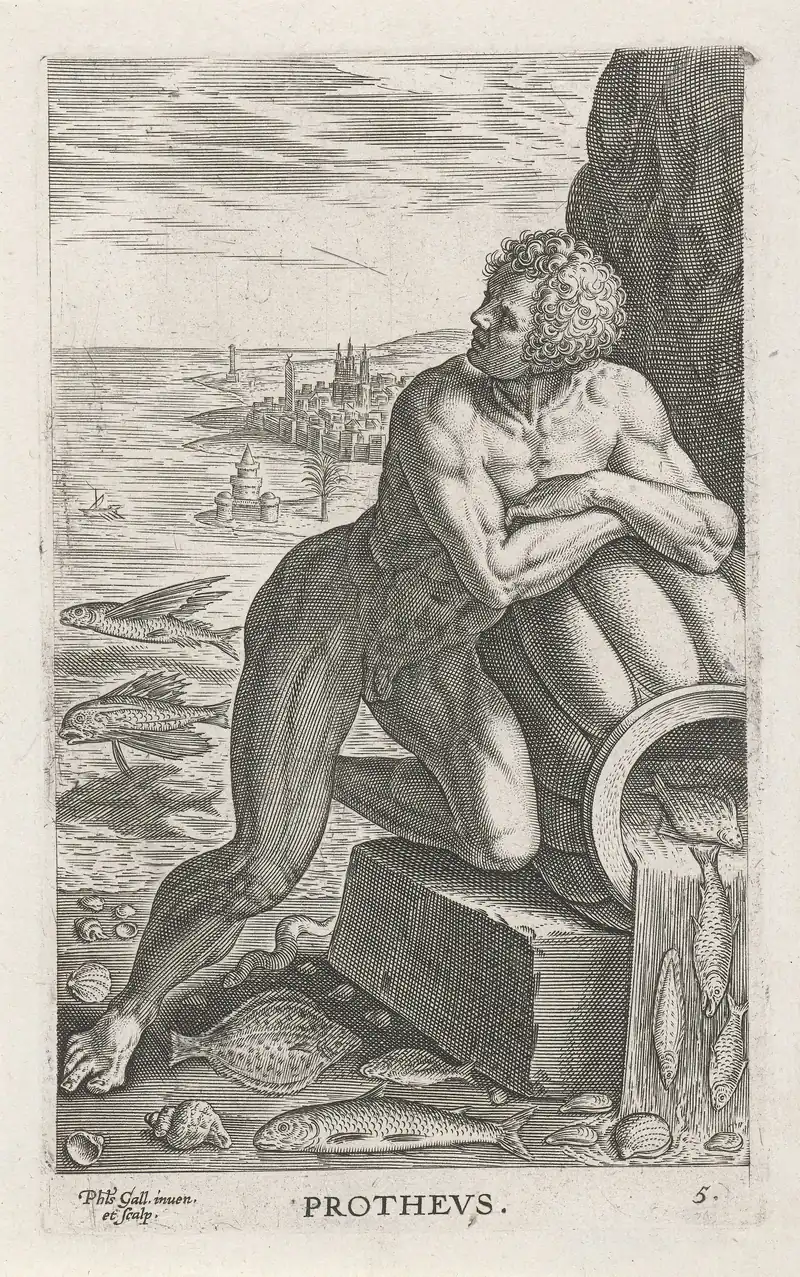
Socrates We must therefore go back to the beginning and examine what the pious is, since I won’t willingly lose heart before I learn it. 15d Don’t treat me with contempt; give it your fullest attention in every way and tell me the truth now. For you know it if any human being does, and, like Proteus,25 you must not be let go until you tell me. After all, if you lacked clear knowledge of the pious and the impious, you would never have tried, on behalf of a hired laborer, to prosecute an old man, your father, for homicide, but would have feared the gods and been afraid to risk acting wrongly, and would have been ashamed before other people. But as it is, I know very well that 15e you think you have clear knowledge of what is pious and what is not. So tell me, my excellent Euthyphro, and don’t conceal what you think it is.
Euthyphro Another time, then, Socrates; I’m in a hurry to get somewhere now, and it’s time I went.
Socrates What a thing to do, my friend! You go away, dashing the great hope I had: that by learning from you what is pious and what is not, I would escape Meletus’s indictment by showing 16a him that I had now gained wisdom from Euthyphro about matters concerning the gods, that ignorance no longer made me improvise or introduce novelties in those matters, and that I would also live better for the rest of my life.


