Meno
70aThe numbers in the margin are the standard Stephanus page numbers, used to cite Plato everywhere. The Meno begins on page 70 of Stephanus’s 1578 edition, so it starts at 70a. Can you tell me, Socrates,1 is excellence2 teachable? Or is it not teachable, but acquired by practice? Or is it neither acquired by practice nor learned, but comes to people by nature or in some other way?
Socrates
Meno,3 in earlier times the Thessalians were famous among the Greeks and admired for their horsemanship and wealth, 70b but now, it seems to me, for their wisdom too, especially the Larissaeans,4 your companion Aristippus’s fellow citizens.a Gorgias5 is responsible for this: when he came to the city, his wisdom won him the love of the leading men among both the Aleuadae6—among them your lover Aristippus—and the other Thessalians. He has also accustomed you to answering fearlessly and grandly whenever anyone asks a question, as you would expect of people who 70c know, since he himself offers to answer any question any Greek wishes to ask, and answers everyone. Here,7 my dear Meno, things have turned out just the opposite: there has been a sort of drought of wisdom, and it seems 71a wisdom has left these parts for yours. If you care to ask anyone here a question like that, everyone will laugh and say, “Stranger, you seem to think I’m someone especially blessed, to know whether excellence is teachable or how it comes to people. But I’m so far from knowing whether it is teachable or not that I don’t even know at all what excellence itself is.” 71b So I’m in the same position myself, Meno: I share my fellow citizens’ poverty in this matter, and I reproach myself for knowing nothing at all about excellence. If I don’t know what it is, how could I know what sort of thing it is? Or do you think someone who has no idea at all who Meno is could know whether he is handsome or wealthy or wellborn, or the opposite of these? Do you think that’s possible?
Meno
I don’t. But do you really, Socrates, 71c not even know what excellence is? And are we to report this about you back home?
Socrates
Not just that, my friend, but also that, as far as I can tell, I’ve never yet met anyone else who knows.
Meno
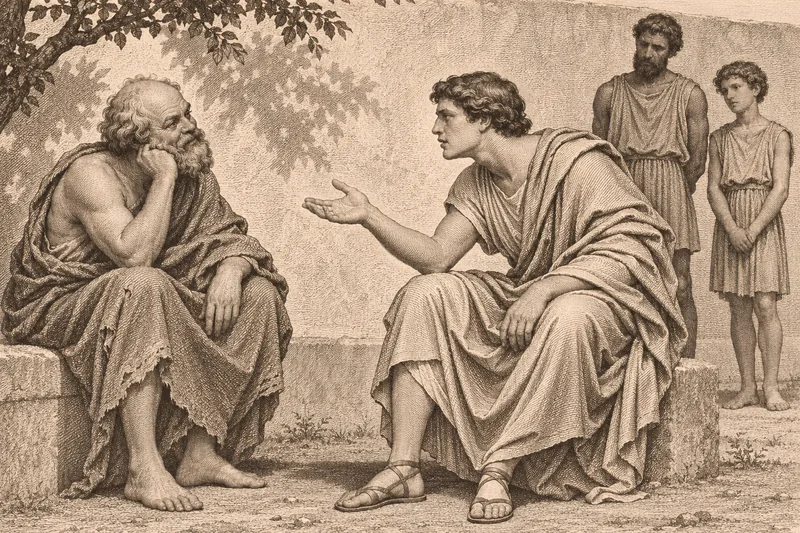
What? Didn’t you meet Gorgias when he was here?
Socrates
I did.
Meno
And didn’t you think he knew?
Socrates
My memory isn’t very good, Meno, so I can’t say at the moment what I thought of him then. But perhaps he knows, and perhaps you know what he said. So remind 71d me what he said. Or tell me yourself, if you like, since surely you agree with him.
Meno
I do.
Socrates
Then let’s leave him aside, since he isn’t here. But you yourself, Meno—by the gods8—what do you say excellence is? Tell me, and don’t begrudge me the answer, so that I may have told the most fortunate of falsehoods, if you and Gorgias turn out to know, while I’ve said I’ve never met anyone who does.
Meno
71e It isn’t difficult to say, Socrates. First, if you want a man’s excellence9, that’s easy: a man’s excellence is being capable of managing the city’s affairs, and in managing them, doing good to his friends and harm to his enemies, while taking care to suffer no such harm himself. If you want a woman’s excellence10, that isn’t difficult to describe: she must manage the household well, keep what is in it safe, and obey her husband. A child’s excellence is different again, a girl’s and a boy’s, and so is an elderly man’s: a free man’s, if you like, or, if you like, 72a a slave’s.11 There are a great many other excellences too, so one isn’t at a loss to say what excellence is: each of us has an excellence for each activity and each stage of life, in relation to each task, and the same, I think, Socrates, goes for badness.
Socrates
I seem to have been extraordinarily lucky, Meno, if, in looking for one excellence, I’ve found a whole swarm of excellences lodged with you. But, Meno, to follow this image 72b of swarms, suppose I asked you about a bee’s nature, what it is, and you told me that bees were many and of all kinds. What would you answer if I asked, “Do you mean that they are many and of all kinds and differ from one another in being bees? Or do they not differ at all in that respect, but in something else, such as beauty or size or something of that sort?” Tell me, what would you answer if you were asked that?
Meno
I’d say that they don’t differ from one another at all in being bees.
Socrates
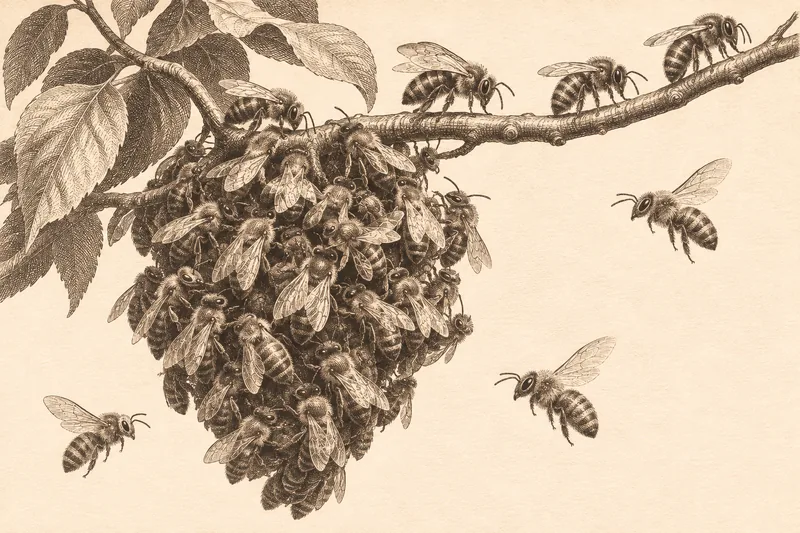
72c Then suppose I went on to say, “Tell me precisely this, Meno: what do you say this is, in which they don’t differ but are all the same?” Surely you’d have something to tell me?
Meno
I would.
Socrates
The same goes for excellences: even if they are many and of all kinds, they all have one and the same formb that makes them excellences. Someone answering the question would presumably do well to look to that form and explain what 72d excellence is. Or don’t you understand what I mean?
Meno
I think I understand, but I still don’t grasp the question as well as I’d like.
Socrates
Is it only excellence that you think of this way, Meno, as one thing for a man and another for a woman and the others, or do you think the same about health and size and strength? Do you think a man’s health is one thing and a woman’s another? Or does health have the same form everywhere, provided it really 72e is health, whether in a man or in anyone else?
Meno
I think health, at least, is the same in a man and a woman.
Socrates
And the same goes for size and strength? If a woman is strong, won’t she be strong through the same form and the same strength? By “the same” I mean that strength does not differ as strength, whether it is in a man or a woman. Or do you think there is some difference?
Meno
I don’t.
Socrates
73a And will excellence differ at all in respect of being excellence, whether it is in a child or an elderly man, a woman or a man?
Meno
Somehow, Socrates, this no longer seems to me like those other cases.
Socrates
Why? Didn’t you say that a man’s excellence was managing a city well, and a woman’s managing a household?
Meno
I did.
Socrates
Then is it possible to manage a city or a household or anything else well without doing so moderately12 and justly?
Meno
Certainly not.
Socrates
73b Then if they manage justly and moderately, won’t they manage with justice and moderation?
Meno
They must.
Socrates
So both the woman and the man need the same things, justice and moderation, if they are to be good.
Meno
Apparently.
Socrates
And what about a child and an elderly man? Could they ever be good if they were unrestrained and unjust?
Meno
Certainly not.
Socrates
But if they were moderate and 73c just?
Meno
Yes.
Socrates
So all people are good in the same way, because they become good by acquiring the same things.
Meno
So it seems.
Socrates
Surely they wouldn’t be good in the same way if their excellence weren’t the same.
Meno
Certainly not.
Socrates
Since everyone’s excellence is the same, then, try to recollect and tell me what Gorgias says it is, and you along with him.
Meno
What else but being able to rule over people, 73d if you’re looking for one thing that applies to everyone?
Socrates
I certainly am. But is this also a child’s excellence, Meno, and a slave’s—being able to rule their master—and do you think someone who rules would still be a slave?
Meno
I don’t think so, Socrates.
Socrates
No, that’s hardly likely, my good friend. And consider this too: you say, “being able to rule.” Shall we add “justly, not unjustly”?
Meno
I think so, because justice, Socrates, is excellence.
Socrates
73e Excellence, Meno, or an excellence?
Meno
What do you mean?
Socrates
What I would mean about anything else. Take roundness, if you like: I would say that it is a shape,c not simply that it is shape. I would put it that way because there are other shapes too.
Meno
And you’d be right, since I too say there are other excellences besides justice.
Socrates
74a What are they? Tell me. Just as I could name other shapes for you if you asked me, you name other excellences for me.
Meno
Well, I think courage is an excellence, and moderation and wisdom and magnificence,13 and a great many others.
Socrates
The same thing has happened to us again, Meno: we’ve again found many excellences while looking for one, though in a different way from just now, but we can’t find the one that runs through them all.
Meno
That’s because I still can’t, Socrates, find what you’re looking for: 74b one excellence that covers them all, as in the other cases.
Socrates
That’s understandable, but I’ll do my best to help us forward, if I can. You presumably understand, after all, that the same applies to everything. Suppose someone asked you what I did just now, “What is shape, Meno?” and you told him, “Roundness.” If he then asked you what I did, “Is roundness shape or a shape?” surely you would say, “A shape.”
Meno
Certainly.
Socrates
74c Because there are other shapes too?
Meno
Yes.
Socrates
And if he went on to ask what they were, you’d tell him?
Meno
I would.
Socrates
And suppose he asked in the same way what color is, and when you said, “White,” your questioner followed up with, “Is white color or a color?” Would you say, “A color,” because there are others too?
Meno
I would.
Socrates
And if he asked you to name other colors, you 74d would name others that are colors no less than white?
Meno
Yes.
Socrates
Then suppose he pursued the discussion as I do and said, “We keep arriving at many things. Don’t answer me that way. Since you give these many things one name and call every one of them a shape, even though they are opposites, what is it that includes the round no less than the straight? You call it shape 74e and say the round is no more a shape than the straight.” Isn’t that what you say?
Meno
It is.
Socrates
Then when you say that, are you saying that the round is no more round than it is straight, and the straight no more straight than it is round?
Meno
Certainly not, Socrates.
Socrates
But you do say that the round is no more a shape than the straight, and neither is more a shape than the other.
Meno
That’s true.
Socrates
What, then, is this thing that bears the name “shape”? 75a Try to tell me. Suppose someone questioned you like this about shape or color, and you said, “But I don’t even understand what you want, my good man, or know what you mean.” He might be surprised and say, “Don’t you understand that I’m looking for what is the same in all these things?” Or couldn’t you answer even about these things, Meno, if someone asked you, “What is the same in the round and the straight and the other things you call shapes—the same in all of them?” Try to tell me, so that you get some practice toward answering about excellence.
Meno
75b No, Socrates, you tell me.
Socrates
You want me to do you this favor?
Meno
Very much.
Socrates
Then will you be willing to tell me about excellence in return?
Meno
I will.
Socrates
Then I must make the effort, because it’s worthwhile.
Meno
Certainly.
Socrates
Come, then, let’s try to tell you what shape is. See whether you accept this: let shape be the only thing there is that always accompanies color. Is that enough for you, or are you looking for something different? After all, I would 75c be satisfied if you gave me even this sort of answer about excellence.
Meno
But that’s silly, Socrates.
Socrates
What do you mean?
Meno
According to your account, shape is what always accompanies color.d Very well. But suppose someone said he didn’t know what color was, and was just as much at a loss about it as about shape. What answer would you think you had given him?
Socrates
A true one. And if my questioner were one of those contentious, competitive wise men, I would say 75d to him, “I’ve given my answer. If what I say is wrong, it’s your job to take up the argument and refute it.” But if people were friends, as you and I are now, and wanted to talk with each other, one should answer more gently and more conversationally.e Perhaps answering more conversationally means not just giving a true answer, but doing so in terms the person being questionedf also agrees that he knows. I’ll try to answer you that way myself: 75e tell me, is there something you call an end? I mean something like a boundary or an extremity—I use all these words for the same thing. Prodicus14 might disagree with us, but surely you speak of something as bounded or ended. That’s the sort of thing I mean, nothing elaborate.g
Meno
I do, and I think I understand what you mean.
Socrates
76a And do you call something a surface,15 and something else a solid, like the things in geometry?
Meno
I do.
Socrates
Then you can now understand from these what I mean by shape: in every case, I say that shape is what the solid ends at; to put it briefly, I would say that shape is the boundary of a solid.
Meno
And what do you say color is, Socrates?
Socrates
You’re insolent, Meno: you order an elderly man to take the trouble of answering, but won’t 76b recollect and tell me yourself what Gorgias says excellence is.
Meno
But once you’ve told me this, Socrates, I’ll tell you.
Socrates
Someone could tell even with his eyes covered, Meno, just from hearing you talk, that you’re handsome and still have lovers.
Meno
Why?
Socrates
Because you do nothing but give orders when you talk, as spoiled people do, since they rule like tyrants16 as long as their beauty 76c is in bloom. And perhaps you’ve also discovered that I can’t resist handsome people. So I’ll indulge you and answer.h
Meno
Please do indulge me.
Socrates
Then would you like me to answer in Gorgias’s manner, which you would find easiest to follow?
Meno
I would. Why wouldn’t I?
Socrates
Don’t you speak, following Empedocles,17 of certain effluences from things?
Meno
Certainly.
Socrates
And of pores18 into which and through which the effluences pass?
Meno
Certainly.
Socrates
And do some of the effluences fit some of the 76d pores, while others are smaller or larger?
Meno
That’s so.
Socrates
And is there something you call sight?
Meno
There is.
Socrates
Then from this, as Pindar19 said,
“understand what I tell you.”
For color is an effluence from shapes, matched to sight and perceptible.
Meno
I think you’ve given a superb answer there, Socrates.
Socrates
Perhaps that’s because it’s expressed in a way you’re used to. And I think you also realize that you could use it to say what sound is, 76e and smell, and many other things of that sort.
Meno
Certainly.
Socrates
You see, it’s an answer in the style of tragedy,20 Meno, so it pleases you more than the one about shape.
Meno
It does.
Socrates
But I’m persuaded, son of Alexidemus,21 that the other answer is better than this one. And I don’t think you’d prefer this one either, if you didn’t have to leave before the mysteries,22 as you said yesterday, but stayed and were initiated.
Meno
77a I would stay, Socrates, if you told me many things like that.
Socrates
I certainly won’t spare any effort to say such things, both for your sake and for my own, but I’m afraid I may not be able to say many of them. Come, now, you try to keep your promise to me too, by saying what excellence is as a whole. Stop making many out of one, as people say in jest whenever someone breaks something; leave excellence whole and sound, and tell me what it is. You’ve had the examples 77b from me.
Meno
Well, Socrates, I think excellence is, as the poet23 says:
“delight in fine things and have power.”
And that is what I call excellence: to desire fine things and be able to acquire them.
Socrates
Are you saying that someone who desires fine things desires good things?
Meno
Certainly.
Socrates
Do you mean that some people desire bad things and others 77c good things? Don’t you think everyone desires good things, my good friend?
Meno
I don’t.
Socrates
But some desire bad things?
Meno
Yes.
Socrates
Do you mean they think the bad things are good, or that they know they are bad and still desire them?
Meno
I think both happen.
Socrates
Do you really think, Meno, that someone knows bad things are bad and still desires them?
Meno
Certainly.
Socrates
What do you mean by desiring them? That he should have them?
Meno
Have them—what 77d else?
Socrates
Does he think bad things benefit the person who gets them, or does he know they harm the person who has them?
Meno
Some think bad things benefit people, while others know they harm them.
Socrates
And do you think those who believe bad things benefit people know they are bad?
Meno
I don’t think so.
Socrates
Then clearly these people—77e the ones who don’t recognize bad things—desire not bad things but what they thought were good things, though these are bad. So those who don’t recognize them and think they are good clearly desire good things. Or not?
Meno
These people seem to, at least.
Socrates
And what about those who, as you say, desire bad things but believe they harm the person who gets them? Surely they know they will be harmed by them?
Meno
78a They must.
Socrates
And don’t they think that people who are harmed are wretched to the extent that they are harmed?
Meno
They must think that too.
Socrates
And that the wretched are unhappy?
Meno
I think so.
Socrates
Then does anyone wanti to be wretched and unhappy?
Meno
I don’t think so, Socrates.
Socrates
So no one wants bad things, Meno, if no one wants to be like that. What else is being wretched, after all, but desiring bad things and getting them?
Meno
It looks 78b as though you’re right, Socrates, and as though no one wants bad things.
Socrates
Now, weren’t you saying a moment ago that excellence is wanting good things and having power?
Meno
I was.
Socrates
Then everyone shares in the wanting you mentioned, and in that respect no one is any better than anyone else?
Meno
Apparently.
Socrates
But clearly, if one person is better than another, he would be better in the power he has.
Meno
Certainly.
Socrates
So it seems that, on your account, excellence is 78c the power to acquire good things.
Meno
I think it’s exactly as you now put it, Socrates.
Socrates
Then let’s see whether what you say here is true, because you may be right. You say that being able to acquire good things is excellence?
Meno
I do.
Socrates
And by good things you mean things like health and wealth?
Meno
I mean getting gold and silver too, and honors in a city and public offices.24
Socrates
Do you call anything good besides things of that sort?
Meno
No, I mean 78d all things of that sort.
Socrates
Very well. So acquiring gold and silver is excellence, according to Meno, the hereditary guest-friend25 of the Great King. Do you add “justly and piously” to this acquisition,j Meno, or does it make no difference to you, and do you still call it excellence even if someone acquires these things unjustly?
Meno
Certainly not, Socrates.
Socrates
But badness?
Meno
Certainly.
Socrates
Then it seems that this acquisition must be accompanied by justice or moderation or 78e piety or some other part of excellence; otherwise, it will not be excellence, even though good things are acquired.
Meno
How could it be excellence without these?
Socrates
And not acquiring gold and silver, either for oneself or for someone else, when it would be unjust—isn’t this lack excellence too?
Meno
Apparently.
Socrates
Then acquiring such good things would be no more excellence than lacking them; rather, it seems that whatever is done with justice will be excellence, while whatever is done 79a without any such qualities will be badness.
Meno
I think it must be as you say.
Socrates
And didn’t we say a little while ago that each of these—justice and moderation and everything of that sort—was a part of excellence?
Meno
Yes.
Socrates
Then are you playing with me, Meno?
Meno
Why, Socrates?
Socrates
Because I just asked you not to shatter excellence or break it into little pieces,k and gave you examples of how you should answer, but you ignored this and tell me that excellence 79b is being able to acquire good things with justice. And you say justice is a part of excellence?
Meno
I do.
Socrates
Then it follows from what you agree to that doing whatever one does with a part of excellence is excellence, because you say that justice is a part of excellence, and so is each of those other things. Why, then, do I say this? Because although I asked you to say what excellence is as a whole, you are far from saying what it is: you say every action is excellence if it is done with a part 79c of excellence, as though you had said what excellence is as a whole and I would now recognize it even if you broke it into little pieces, part by part. So it seems to me, my dear Meno, that you need the same question again from the beginning: what is excellence, if every action done with a part of excellence is excellence? That is what someone means when he says that every action done with justice is excellence. Or do you think there’s no need to ask the same question again—that someone can know what a part of excellence is without knowing excellence itself?
Meno
I don’t think so.
Socrates
79d For if you remember, when I answered you just now about shape, we rejected that sort of answer, which tries to answer in terms of things still under inquiry and not yet agreed on.
Meno
And we were right to reject it, Socrates.
Socrates
Then, my good friend, while we are still inquiring what excellence as a whole is, don’t think that answering in terms of its parts will make it clear to anyone, or that you will explain anything else by speaking in this same 79e way. Rather, the same question will be needed again: what are you taking excellence to be when you say what you say? Or do you think I have no point?
Meno
I think what you say is right.
Socrates
Then answer again from the beginning: what do you and your companion say excellence is?
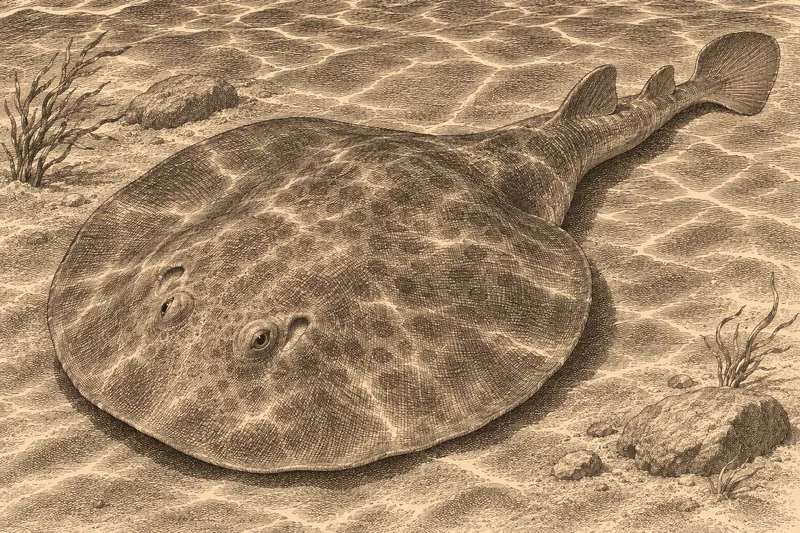
Meno Socrates, even before I met 80a you, I used to hear that all you do is find yourself at a loss and leave others at a loss. And now, it seems to me, you’re bewitching me,26 using potions on me, and positively chanting spells over me, so that I’m completely at a loss. If I may make a little joke, you strike me as exactly like that flat sea creature, the torpedo fish,27l both in appearancem and in other ways: it makes anyone who approaches and touches it numb, and you seem to have done something like that to me.n For I really am numb in both 80b soulo and mouth, and I have no answer to give you. And yet I’ve given a great many speeches about excellence, ten thousand times and to many people, and very well too, or so I thought; but now I can’t even say what it is at all. I think you’re wise not to sail away from here or travel abroad: if you behaved like this as a foreigner in another city, you might well be arrested as a sorcerer.28
Socrates You’re a rogue, Meno, and you almost deceived me.
Meno How so, Socrates?
Socrates 80c I know why you comparedp me to it.
Meno Why do you think I did?
Socrates So that I would compare you to something in return. I know this about all beautiful people: they enjoy being compared to things, because it pays them—beautiful people, I suppose, have beautiful likenesses too—but I won’t compare you in return. As for me, if the torpedo fish is itself numb and so makes others numb, I’m like it; if not, I’m not. It isn’t because I have the answers myself that I leave others at a loss, but because I’m more at a loss than anyone that I leave others 80d at a loss too. And now I don’t know what excellence is, though perhaps you knew before you touched me; now, however, you seem like someone who doesn’t know. Still, I’m willing to examine it with you and inquire together into what it is.
Meno And how will you inquire into something, Socrates, when you don’t know at all what it is?29 Which of the things you don’t know will you take as the object of your inquiry? Or even if you should actually come upon it, how will you know that this is what you didn’t know?
Socrates 80e I see what you mean, Meno. Do you see what a contentious argument you’re introducing—that a person cannot inquire into either what he knows or what he doesn’t know? He wouldn’t inquire into what he knows, because he knows it, and someone in that position has no need of inquiry; nor would he inquire into what he doesn’t know, because he doesn’t even know what he is to inquire into.
Meno 81a Doesn’t that argument seem sound to you, Socrates?
Socrates Not to me.
Meno Can you say why?
Socrates Yes, because I’ve heard men and women who are wise about divine matters—
Meno What did they say?
Socrates Something true, I think, and fine.
Meno What was it, and who said it?
Socrates The people who say it are priests and priestesses30 who have taken care to be able 81b to give an account of their practices. Pindar says it too, and many other poets who are divine. This is what they say; consider whether you think they’re speaking the truth. They say that the human soul is immortal,31 that at one time it comes to an end—what people call dying—and at another is born again, but that it never perishes; and that for these reasons we must live our lives as piously as possible. For those from whom
“Persephone32 accepts recompense for ancient grief, in the ninth year she sends their souls back to the sunlight above; 81c from these grow glorious kings and men of swift strength and the greatest wisdom, and for all time afterward people call them holy heroes.”
Since the soul is immortal and has been born many times, and has seen both what is here and what is in Hades33—everything, in fact—there is nothing it has not learned. So it is no wonder that it can recollect,34 about excellence and other things, what it knew before. Since nature 81d is all akin, and the soul has learned everything, nothing prevents someone who has recollected just one thing—what people call learning—from finding all the rest, if he has courage and does not grow weary of inquiry; for inquiry and learning, then, are entirely recollection. So we must not be persuaded by that contentious argument: it would make us idle and is pleasant listening for the fainthearted, whereas this one 81e makes us work and inquire. Because I believe it is true, I’m willing to inquire with you into what excellence is.
Meno Yes, Socrates, but what do you mean by saying that we don’t learn, and that what we call learning is recollection? Can you teach me that this is so?
Socrates I told you just now, Meno, that you’re a rogue, and 82a now you’re asking whether I can teach you, when I say there is no teaching, only recollection, so that I’ll immediately appear to contradict myself.
Meno No, by Zeus,35 Socrates, I didn’t say it with that in mind, but from habit. Still, if you can somehow show me that it is as you say, show me.
Socrates It isn’t easy, but I’m willing to make the effort for your sake. Call over whichever one you like of the many 82b slaves36 attending you here, so that I can demonstrate it to you through him.
Meno Certainly. Come here.
Socrates He is Greek37 and speaks Greek?
Meno Yes, certainly; he was born in the household.
Socrates Now pay attention to whether he seems to you to be recollecting or learning from me.
Meno I will.
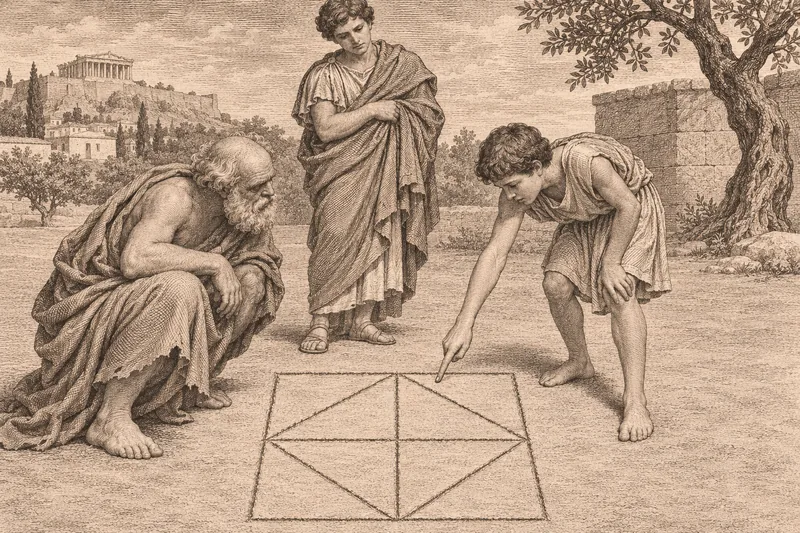
Socrates Tell me, boy, do you recognize this as a square?38
Boy I do.
Socrates Then 82c a square has all four of these lines equal?
Boy Certainly.
Socrates And these lines through the middle are equal too, aren’t they?
Boy Yes.
Socrates Then a figure like this could be larger or smaller?
Boy Certainly.
Socrates Now, if this side were two feet39 and this one two feet, how many square feetq would the whole contain? Look at it this way: if it were two feet this way, but only one foot that way, wouldn’t the area be two square feet taken once?
Boy 82d Yes.
Socrates But since it is two feet that way too, doesn’t it become twice two?
Boy It does.
Socrates So it becomes twice two square feet?
Boy Yes.
Socrates Then how many square feet are twice two? Work it out and tell me.
Boy Four, Socrates.
Socrates Then there could be another figure double the size of this one, but of the same sort, with all its lines equal, like this one?
Boy Yes.
Socrates How many square feet will it contain, then?
Boy Eight.
Socrates Come, try to tell me how long 82e each of its lines will be. For a line of this figure is two feet; what about a line of the figure with double the area?
Boy Obviously, Socrates, it will be double.
Socrates Do you see, Meno, that I’m not teaching him anything, but asking him everything? And now he thinks he knows which line will produce the area of eight square feet. Doesn’t he seem to you to think so?
Meno He does.
Socrates Does he know, then?
Meno Certainly not.
Socrates But he thinks it comes from the doubled line?
Meno Yes.
Socrates Now watch him recollect step by step, as one should recollect. And you, boy, tell me: you say that a line of double the length produces 83a an area of double the size? I mean a figure that is not long one way and short the other, but equal every way, like this one, and double its size—eight square feet. See whether you still think it will come from the doubled line.
Boy I do.
Socrates Then this line becomes double that one if we add another of the same length here?
Boy Certainly.
Socrates And you say that the area of eight square feet will come from this line, if we make four lines 83b of this length?
Boy Yes.
Socrates Then let’s draw four equal lines of that length. This would be the figure you say contains eight square feet, wouldn’t it?
Boy Certainly.
Socrates And inside it are these four figures, each equal to this one of four square feet?
Boy Yes.
Socrates How large does it become, then? Isn’t it four times as large?
Boy Of course.
Socrates Then is four times as large double?
Boy No, by Zeus.
Socrates How many times as large, then?
Boy Four times.
Socrates So from a line of double the length, 83c boy, you get an area not double but four times the size.
Boy That’s true.
Socrates Because four times four is sixteen, isn’t it?
Boy Yes.
Socrates But which line gives eight square feet? This one gives an area four times as large, doesn’t it?
Boy It does.
Socrates And this line, half its length, gives this area of four square feet?
Boy Yes.
Socrates Good. And isn’t the area of eight square feet double this one and half that one?
Boy [Yes.]r
Socrates Won’t it come from a line longer than this one but shorter than 83d that one? Or not?
Boy That’s what I think.
Socrates Good: what you think is what you should give as your answer. Now tell me: wasn’t this line two feet and that one four?
Boy Yes.
Socrates Then the line for the area of eight square feet must be longer than this two-foot line but shorter than the four-foot line.
Boy It must.
Socrates 83e Try to say how long you think it is.
Boy Three feet.
Socrates Then if it is to be three feet, we’ll extend this line by half its length, making it three feet? Here are two feet, and here is one; and on this side likewise, here are two feet, and here is one. That gives the figure you mean.
Boy Yes.
Socrates Then if it is three feet this way and three that way, the whole area becomes three times three square feet?
Boy It seems so.
Socrates And how many square feet are three times three?
Boy Nine.
Socrates But how many square feet did the double figure have to contain?
Boy Eight.
Socrates Then the three-foot line doesn’t produce the area of eight square feet either.
Boy Certainly not.
Socrates But which line does? Try to tell us exactly; and 84a if you don’t want to calculate, point out the line.
Boy But by Zeus, Socrates, I don’t know.
Socrates Do you see again, Meno, how far he has now come in recollecting? At first he did not know which line gives the area of eight square feet, just as he still does not know. But then at least he thought he knew and confidently answered as if he knew, without thinking he was at a loss, whereas now he thinks he is 84b at a loss, and just as he doesn’t know, he doesn’t think he knows either.
Meno That’s true.
Socrates Then isn’t he better off now concerning what he didn’t know?
Meno I think so too.
Socrates So by leaving him at a loss and numbing him as the torpedo fish does, have we done him any harm?
Meno I don’t think so.
Socrates At least we seem to have done something to help him find how things stand: now he would gladly inquire, since he doesn’t know, whereas before he would readily have thought he was speaking well, before many people and many times, 84c about the double area—that its line must be double in length.
Meno It seems so.
Socrates Then do you think he would have tried to inquire into or learn what he thought he knew, though he did not know it, before he found himself at a loss, thinking he did not know, and longed to know?
Meno I don’t think so, Socrates.
Socrates So being numbed benefited him?
Meno I think so.
Socrates Now watch how, starting from this state of being at a loss, he will also find the answer by inquiring with me, while I do nothing but ask questions and do not teach. 84d Watch whether you catch me teaching him and explaining things to him instead of asking what his opinions40 are. Now you tell me, boy: this is our area of four square feet, isn’t it? Do you follow?
Boy I do.
Socrates And could we add this other one, equal to it?
Boy Yes.
Socrates And this third one, equal to each of these?
Boy Yes.
Socrates Then could we fill in this space in the corner?
Boy Certainly.
Socrates So we would have four equal areas 84e here?
Boy Yes.
Socrates Well, then, how many times as large as this one is the whole?
Boy Four times.
Socrates But we needed it to be double. Don’t you remember?
Boy Certainly.
Socrates Doesn’t this line, running from corner to corner, 85a cut each of these areas in half?
Boy Yes.
Socrates Then we have these four equal lines enclosing this area?
Boy We do.
Socrates Now consider: how large is this area?
Boy I don’t follow.
Socrates There are four of these areas; hasn’t each line cut off half of its area on the inside? Or not?
Boy Yes.
Socrates Then how many pieces of that size are in this figure?
Boy Four.
Socrates And how many in this one?
Boy Two.
Socrates And what is four in relation to two?
Boy Double.
Socrates Then this area 85b is how many square feet?
Boy Eight square feet.
Socrates From which line?
Boy This one.
Socrates The line stretching from corner to corner of the figure of four square feet?
Boy Yes.
Socrates The expertss call this line a diagonal. So if diagonal is its name, the double area would come from the diagonal, as you say, Meno’s boy.
Boy Yes, certainly, Socrates.
Socrates What do you think, Meno? Is there any opinion he gave in answer that wasn’t his own?
Meno 85c No, they were his own.
Socrates And yet he did not know, as we said a little while ago.
Meno That’s true.
Socrates But these opinions were in him, weren’t they?
Meno Yes.
Socrates Then someone who does not know has true opinions within him about the things he does not know?
Meno It seems so.
Socrates And now these opinions have just been stirred up in him, like a dream; but if someone asks him these same things again and again, in many different ways, you know that in the end 85d he will know about them as accurately as anyone.
Meno It seems so.
Socrates Then he will know without anyone teaching him, just by being questioned, recovering the knowledge himself, from within himself?
Meno Yes.
Socrates And isn’t his recovering knowledge within himself recollecting?
Meno Certainly.
Socrates Then hasn’t he either acquired at some time the knowledge he now has, or always had it?
Meno Yes.
Socrates Then if he always had it, he always knew; but if he acquired it at some time, he would not have acquired it in this life. Or 85e has someone taught him geometry? He will do just the same with all geometry and every other subject of learning. Has anyone taught him all of it? You ought to know, surely, especially since he was born and brought up in your household.
Meno Well, I know that no one has ever taught him.
Socrates But he has these opinions, doesn’t he?
Meno He must have them, it seems, Socrates.
Socrates And if he didn’t acquire them in this life, isn’t it already 86a clear that he had them and had learned them at some other time?
Meno It seems so.
Socrates Then that was a time when he was not a human being?
Meno Yes.
Socrates So if he has true opinions in him both when he is a human being and when he is not, and these become knowledge when awakened by questioning, won’t his soul always have had this learning? For clearly, at every time he either is or is not a human being.
Meno It seems so.
Socrates 86b Then if the truth about what exists is always in our soul, the soul would be immortal; so shouldn’t you take courage and try to inquire into and recollect what you happen not to know now—that is, what you don’t remember?
Meno Somehow, Socrates, what you say seems right to me.
Socrates And to me too, Meno. I wouldn’t insist very strongly on the other points of the argument. But we would be better, braver, and less idle if we believed we should inquire into what we don’t know than if we believed we couldn’t 86c find what we don’t know and shouldn’t inquire into it—for that I would fight hard, if I could, in both word and deed.
Meno I think you’re right about that too, Socrates.
Socrates Then since we agree that we should inquire into what we don’t know, shall we try to inquire together into what excellence is?
Meno Certainly. Still, Socrates, what I would most like to examine and hear about is what I asked at the beginning: whether we should approach excellence as something teachable, 86d or as something that comes to people by nature, or in what way it comes to them.
Socrates Well, if I ruled not only myself but you too, Meno, we would not have examined whether excellence is teachable or not teachable before first inquiring into what it is. But since, in order to be free, you don’t even try to rule yourself, while you try to rule me and do rule me, I’ll give way to you—what am I to do? It seems, then, that we must examine 86e what sort of thing it is when we don’t yet know what it is. At least relax your rule over me a little, and allow us to examine from a hypothesis41 whether it is teachable or whatever else it may be. What I mean by proceeding from a hypothesis is what geometers often do when someone asks them, about an area, for example, whether this area can be inscribed in this circle 87a as a triangle.42 One of them might say, “I don’t yet know whether it can, but I think I have something like a useful hypothesis for the problem, as follows: if this area, when laid out along the given line of the circle,t falls short by an area similar to the one laid out, I think one result follows, and a different one if it cannot meet these conditions. So, on a hypothesis, I’m willing 87b to tell you what follows about inscribing it in the circle—whether that is impossible or not.” Let us do the same with excellence: since we know neither what it is nor what sort of thing it is, let us assume a hypothesis and examine whether it is teachable or not teachable. We can put it this way: what sort of thing belonging to the soul would excellence have to be, to be teachable or not teachable? First, if it is different in kind from knowledge,u is it teachable or not—or, as we were saying just now, something that can be recollected? Let it make no difference to us 87c which name we use—but is it teachable? Or is it clear to everyone that a person is taught nothing but knowledge?
Meno I think so.
Socrates And if excellence is a kind of knowledge, it is clear that it would be teachable.
Meno How could it not be?
Socrates Then we’ve quickly settled this much: if it is one sort of thing, it is teachable, and if another, it is not.
Meno Certainly.
Socrates Next, it seems, we must examine whether excellence is knowledge or something different from knowledge.
Meno 87d I think that is what we must examine next.
Socrates Well, then, don’t we say that excellence is something good, and does this hypothesis stand for us, that it is good?
Meno Certainly.
Socrates Then if there is something else good that is separate from knowledge, excellence might perhaps not be a kind of knowledge; but if there is nothing good that knowledge does not encompass, we would be right in our suspicion that it is a kind of knowledge.
Meno That is so.
Socrates And surely 87e it is through excellence that we are good?
Meno Yes.
Socrates And if good, beneficial, because all good things are beneficial, aren’t they?
Meno Yes.
Socrates Then excellence too is beneficial?
Meno It must be, from what we have agreed.
Socrates Then let us take things one by one and examine what benefits us. Health, we say, and strength, beauty, and wealth: we call these things and others like them beneficial, don’t we?
Meno Yes.
Socrates 88a But we say that these very same things sometimes harm us too. Do you say otherwise, or do you agree?
Meno I agree.
Socrates Then consider: what guides each of these things when it benefits us, and what when it harms us? Doesn’t it benefit us when correct use guides it, and harm us when it does not?
Meno Certainly.
Socrates Now let us also examine the things belonging to the soul. You speak of moderation, justice, courage, quickness at learning, memory, magnificence, and all such 88b things, don’t you?
Meno I do.
Socrates Then consider whichever of these seem to you to be something other than knowledge: don’t they sometimes harm us and sometimes benefit us? Courage, for example: if courage is not understandingv but a kind of boldness, isn’t a person harmed when he is bold without sense, and benefited when he is bold with sense?
Meno Yes.
Socrates And isn’t it the same with moderation and quickness at learning: things learned and cultivated with sense are beneficial, but without sense, harmful?
Meno Very 88c much so.
Socrates So, in a word, all the soul’s efforts and endurance lead to happinessw when understanding guides them, but to the opposite when folly does?
Meno It seems so.
Socrates Then if excellence is something in the soul and must be beneficial, it must be understanding, since everything belonging to the soul is, in itself, neither beneficial nor harmful, but when understanding 88d or folly is added, these things become harmful or beneficial. On this reasoning, then, excellence, since it is beneficial, must be a kind of understanding.
Meno I think so.
Socrates And we just said that the other things—wealth and the like—are sometimes good and sometimes harmful. Just as understanding guided the rest of the soul and made the soul’s qualities beneficial, while folly made them harmful, doesn’t 88e the soul in turn make these things beneficial when it uses and guides them correctly, and harmful when it does not?
Meno Certainly.
Socrates And the soul with understanding guides correctly, while the foolish soul guides incorrectly?
Meno That is so.
Socrates Then we can say this about everything: for a person, all other things depend on the soul, and the soul’s own qualities on understanding, if 89a they are to be good. On this reasoning, understanding would be what is beneficial; and we say that excellence is beneficial?
Meno Certainly.
Socrates Then we say that excellence is either understanding as a whole or some part of it?x
Meno What you’re saying seems right to me, Socrates.
Socrates Then if that is so, good people would not be good by nature.
Meno I don’t think they would.
Socrates 89b For presumably this would also follow: if good people became good by nature, we would presumably have people among us who could recognize the young men with good natures. Once those people pointed them out, we would take them and guard them in the citadel,43 sealing them up much more carefully than gold so that no one could corrupt them, and so that when they came of age they would be useful to their cities.
Meno That seems likely, Socrates.
Socrates Then since good people do not become good by nature, 89c is it through learning?
Meno I think that must follow now. And it is clear, Socrates, on our hypothesis, that if excellence is knowledge, it is teachable.
Socrates Perhaps, by Zeus. But might we have been wrong to agree to that?
Meno And yet it seemed right just now.
Socrates But perhaps it needs not only to have seemed right a moment ago, but to seem right now and in the future too, if there is to be anything sound in it.
Meno 89d Why, then? What makes you dissatisfied with it and doubtful that excellence is knowledge?
Socrates I’ll tell you, Meno. I’m not taking back as unsound the claim that it is teachable if it is knowledge. But see whether you think I have reasonable grounds to suspect that it is not knowledge.y For tell me: if anything at all is teachable, not just excellence, mustn’t there be teachers and pupils of it?
Meno I think so.
Socrates 89e Then conversely, if something had neither teachers nor pupils, would we be right to conjecture that it is not teachable?
Meno That is so. But don’t you think there are teachers of excellence?
Socrates I have certainly often searched to see whether there are any teachers of excellence, but despite every effort I cannot find any. And yet I search with many others, especially those I think have the most experience of the matter. And now, Meno, Anytus44 here has sat down beside us at just the right moment; let’s give him a share in the inquiry. 90a We would have good reason to include him. First, Anytus is the son of a wealthy and wise father, Anthemion,45 who became rich not by chance or someone’s gift, like Ismenias of Thebes,46 who has recently received Polycrates’s wealth, but through his own wisdom and care. In other respects, too, Anthemion was considered neither an arrogant citizen nor a pompous and unpleasant one, but a decent, unassuming 90b man.z Then he brought up and educated his son well, in the opinion of the Athenian people47; at any rate, they elect Anytus to the highest offices. People like these are the right partners for an inquiry into whether there are teachers of excellence, and who they are. So, Anytus, join me and your guest Meno here in asking who could teach it. Consider it this way: if we wanted Meno here to become a good doctor, 90c which teachers would we send him to? Wouldn’t we send him to doctors?
Anytus Certainly.
Socrates And if we wanted him to become a good shoemaker, wouldn’t we send him to shoemakers?
Anytus Yes.
Socrates And the same with the other crafts?
Anytus Certainly.
Socrates Now answer me again about these same examples. We say we would be right to send him to doctors if we wanted him to become a doctor. When we say that, are we saying 90d that we would act sensibly by sending him to those who claim to know the craft rather than those who don’t, and who charge a fee48 for this very thing, offering themselves as teachers to anyone who wants to come and learn? Wouldn’t we be right to send him on those grounds?
Anytus Yes.
Socrates Doesn’t precisely the same apply to playing the reed pipes49 and the other crafts? 90e If we want to make someone a reed-pipe player, it is very foolish to refuse to send him to those who promise to teach the craft and charge a fee, but trouble other people instead, seeking instruction from those who neither claim to be teachers nor have a single pupil in the subject we expect the person we send to learn from them. Doesn’t that seem very unreasonable to you?
Anytus Yes, by Zeus, it does—and ignorant too.
Socrates You’re right. Now, then, you can join me 91a in considering the case of your guest Meno here. For some time, Anytus, he has been telling me that he desires the wisdom and excellence by which people manage their households and cities well, care for their parents, and know how to welcome and send off citizens and foreigners as a good man should. So consider whom we should send him to for this 91b excellence. Or is it clear from what we just said that we should send him to those who promise to teach excellence and offer themselves to any Greek who wants to learn, setting and charging a fee for it?
Anytus Who do you mean, Socrates?
Socrates Surely you know too: the people called sophists.50
Anytus 91c By Heracles,51 speak no ill omen, Socrates! May no relative or friend of mine, whether citizen or foreigner, be seized by such madness that he goes to these people and is ruined, because they are plainly the ruin and corruption of those who associate with them.
Socrates What are you saying, Anytus? Are they alone, among those who claim to know how to do good, so different from the rest that, where the others benefit what anyone entrusts to them, these men not only fail to benefit it but actually corrupt it? 91d And they openly demand payment for this? I cannot see how to believe you, because I know that one man, Protagoras,52 earned more money from this wisdom than Phidias, whose beautiful works were so famous, together with ten other sculptors. Yet what a marvel you describe: people who mend old shoes or repair clothes could not return them in worse condition than they received them for thirty 91e days without being found out—they would soon starve if they did—while Protagoras went undetected throughout Greece, corrupting those who associated with him and sending them away worse than he received them, for more than forty years! For I think he died at nearly seventy years old, after forty years in his craft. And throughout that time his good reputation never faded, and it lasts to this day—not just Protagoras’s reputation, but that of 92a very many others, some born before him and some still alive. Are we to say, then, on your account, that they knowingly deceive and ruin young men, or that they do it without realizing it themselves? Are we to judge men whom some call the wisest of all human beings to be so mad?
Anytus They are far from mad, Socrates; much madder are the young men who pay them, and 92b still more so are their relatives who entrust them to such people; but by far the maddest are the cities that let them in and fail to expel them, whether someone who attempts this is a foreigner or a citizen.
Socrates Has one of the sophists wronged you, Anytus, or why are you so hostile to them?
Anytus By Zeus, I have never associated with any of them, nor would I let anyone close to me do so.
Socrates Then you have no experience of these men at all?
Anytus And may I never have any.
Socrates 92c Then, my good man, how could you know whether something has anything good or bad in it when you have no experience of it at all?
Anytus Easily enough. I know what these people are, whether I have experience of them or not.
Socrates Perhaps you’re a diviner,53 Anytus, because from what you say yourself, I would be surprised if you knew about them any other way. But we aren’t looking for the people Meno would visit 92d to become bad—let the sophists be those people, if you like. Tell us who the others are, and do your family’s friend here a good turn by telling him whom he could visit in so large a city to become distinguished in the excellence I just described.
Anytus Why didn’t you tell him yourself?
Socrates I named those I thought were teachers of these things, but apparently what I said was nonsense, according to you; perhaps 92e you have a point. Now tell him in your turn which Athenians to visit. Name anyone you like.
Anytus Why do you need to hear one man’s name? Any of the fine and good menaa among the Athenians he meets will make him a better man than the sophists would, provided he is willing to listen.
Socrates Did these fine and good men become that way by chance, without learning from anyone, yet able to teach others what they themselves never 93a learned?
Anytus I maintain that they too learned from their predecessors, who were fine and good men. Or don’t you think this city has produced many good men?
Socrates I certainly think there are men here who are good at public affairs, Anytus, and that this was no less true in the past. But have they also been good teachers of their own excellence? That is what our discussion concerns: we have been examining not whether there are good men here, or whether there were any in the 93b past, but whether excellence is teachable. In examining this, we are asking whether good men, now or in the past, knew how to pass on to someone else the excellence that made them good, or whether it can neither be passed on by one person nor received by another. That is what Meno and I have been inquiring into all along. So consider it this way, on your own account: wouldn’t you say that Themistocles54 was a good 93c man?
Anytus Yes, above all others.
Socrates Then if anyone taught his own excellence, wouldn’t he too have been a good teacher of it?
Anytus I think so, provided he wanted to.
Socrates But do you think he wouldn’t have wanted other people to become fine and good men, and surely his own son most of all? Or do you think he begrudged it to his son and deliberately withheld 93d the excellence that made him good? Haven’t you heard that Themistocles had his son Cleophantus55 taught to be a good horseman? He could stay standing upright on horseback and throw a javelin from that position, and he performed many other remarkable feats his father had him taught, making him skilledab in everything good teachers could provide. Haven’t you heard this from older people?
Anytus I have.
Socrates Then no one could say his son lacked natural ability.
Anytus 93e Perhaps not.
Socrates What about this, then? Have you ever heard anyone, young or old, say that Themistocles’s son Cleophantus became good and wise in the same respects as his father?
Anytus Certainly not.
Socrates Then do we think Themistocles wanted to train his own son in those things, but not to make him any better than his neighbors in the wisdom that made him wise himself, if excellence was teachable?
Anytus By Zeus, perhaps not.
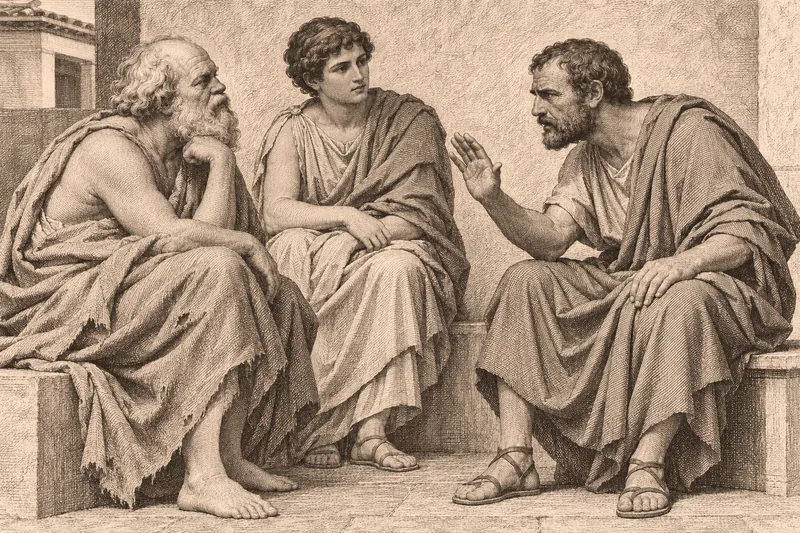
Socrates That, then, is the sort of teacher of excellence this man of yours was, though you yourself agree he was among the best men of the past. Let’s consider another, 94a Aristides,56 son of Lysimachus. Don’t you agree that he was a good man?
Anytus Yes, certainly.
Socrates Now he too gave his own son Lysimachus57 the best education of any Athenian in everything teachers could provide, but do you think he made him any better a man than the next person? You have, I suppose, spent time with him and can see what he is like. Or, if you like, 94b take Pericles,58 a man of such magnificent wisdom: you know he brought up two sons, Paralus and Xanthippus?
Anytus I do.
Socrates As you also know, he had them taught to ride as well as any Athenian, and trained them to be second to none in music, athletics, and the other accomplishments that depend on a craft. But he didn’t want to make them good men? I think he did, but I suspect it isn’t teachable. To keep you from thinking that only a few Athenians, and the most insignificant, failed at this 94c task, remember that Thucydides59 too brought up two sons, Melesias and Stephanus. He educated them well in other things, and they were the best wrestlers among the Athenians: he placed the first with Xanthias60 and the second with Eudorus, who were, I suppose, considered the best wrestlers of their day. Don’t you remember?
Anytus Yes, from what I’ve heard.
Socrates Then surely he would never have had his sons taught things he needed 94d to pay for, yet left them untaught in what would make them good men at no cost, if it were teachable? But perhaps Thucydides was insignificant, without a great many friends among the Athenians and their allies? He came from a great family and had great influence in the city and among the other Greeks, so if this were teachable, he would have found someone, local or 94e foreign, to make his sons good, if caring for the city left him no time himself. But, my friend Anytus, I suspect excellence isn’t teachable.
Anytus Socrates, you seem very ready to speak illac of people. I would advise you, if you are willing to listen to me, to be careful61: perhaps in another city too it is easier to harm people than to do them good, but here it is 95a very much so. I think you know this yourself.
Socrates Meno, Anytus seems angry with me, and I’m not at all surprised: first, he thinks I’m speaking ill of those men, and then he thinks he is one of them himself. If he ever understands what speaking ill is, he’ll stop being angry, but for now he doesn’t know. Tell me, aren’t there fine and good men among your people too?
Meno Certainly.
Socrates 95b Well, then, are they willing to present themselves as teachers of the young, and acknowledge both that they are teachers and that excellence is teachable?
Meno No, by Zeus, Socrates; you might hear them say at one time that it is teachable, and at another that it isn’t.
Socrates Then should we call them teachers of something when they do not even agree on this much about it?
Meno I don’t think so, Socrates.
Socrates What, then, about these sophists, the only ones who promise it? Do you think they are teachers of excellence?
Meno 95c That, Socrates, is what I most admire about Gorgias: you would never hear him promise this, and he even laughs at others when he hears them promising it. He thinks he should make people formidable speakers.
Socrates So you don’t think the sophists are teachers either?
Meno I can’t say, Socrates, because I’m in the same position as most people: sometimes I think they are, sometimes not.
Socrates Do you know that it isn’t just you and the other statesmen who think at one time that excellence is teachable and at another that it isn’t, 95d but that the poet Theognis62 too says these very things?
Meno In which verses?
Socrates In his elegiac verses,63 where he says:
“And eat and drink with them, and sit among them; please those whose power is great. For you will learn good things from good people; but if you 95e mix with bad people, you will lose even the mind you have.”
Do you see that in these lines he speaks of excellence as teachable?
Meno He seems to.
Socrates But in other verses, moving on a little,64 he says:
“But if insight could be made and put into a man,”
and says, roughly, that those who could do this
“would earn many large fees,”
and:
“Never would a bad son come from a good father, 96a if he obeyed sensible words;ad but by teaching you will never make a bad man good.”
Do you see that he contradicts himself on the same subject?
Meno It seems so.
Socrates Can you name any other subject where those who claim to be teachers are not acknowledged even to know it themselves, much less to teach it to others, but are considered bad 96b at the very thing they claim to teach, while those acknowledged to be fine and good men themselves say now that it is teachable and now that it isn’t? Would you call people so confused about anything teachers of it in the proper sense?
Meno By Zeus, I wouldn’t.
Socrates Then if neither the sophists nor those who are themselves fine and good men are teachers of it, surely no others could be?
Meno I don’t think so.
Socrates 96c And if there are no teachers, there are no pupils either?
Meno I think it is as you say.
Socrates And we agreed that something with neither teachers nor pupils is not teachable?
Meno We did.
Socrates Then teachers of excellence are nowhere to be found?
Meno That’s so.
Socrates And if there are no teachers, there are no pupils either?
Meno So it seems.
Socrates Then excellence would not be teachable?
Meno 96d It doesn’t seem so, if we have examined it correctly. So I do wonder, Socrates, whether there really are no good men, or how those who become good come to be so.
Socrates It looks as though you and I are rather poor specimens, Meno, and Gorgias has not educated you adequately, nor Prodicus me. So we must pay attention to ourselves above all, and look for someone who will make us better 96e in at least some way. I say this with our recent inquiry in mind: we absurdly failed to notice that it is not only when knowledge guides us that people act correctly and well, which may also be why we fail to grasp how good men come to be good.
Meno What do you mean, Socrates?
Socrates This: good men must be beneficial—97a we rightly agreed that it could not be otherwise, didn’t we?
Meno Yes.
Socrates And that they will be beneficial if they guide us correctly in our affairs—we were right to agree on that too, I suppose?
Meno Yes.
Socrates But it seems we were wrong to agree that someone cannot guide correctly unless he has understanding.
Meno What exactly do you mean?ae
Socrates I’ll tell you. [If]af someone knew the road to Larissa, or anywhere else you like, and went there guiding others, wouldn’t he guide them correctly and well?
Meno Certainly.
Socrates 97b What if someone had a right opinion about which road to take, but had never traveled it and did not know it—wouldn’t he too guide them correctly?
Meno Certainly.
Socrates And as long, I suppose, as he has right opinion about what the other man has knowledge of, he will be no worse a guide than the man with understanding, though he thinks what is true without understanding it.
Meno No worse at all.
Socrates True opinion, then, is no worse a guide to acting correctly than understanding. This is what we left out when we were considering what sort of thing excellence is: we said 97c that understanding alone guides us to act correctly, whereas true opinion does too.
Meno So it seems.
Socrates Then right opinion is no less beneficial than knowledge.
Meno Except in this respect, Socrates: someone with knowledge would always succeed, while someone with right opinion would succeed at one time and not at another.
Socrates What do you mean? Wouldn’t someone who always has right opinion always succeed, as long as his opinions are right?
Meno He must, it seems to me. So I wonder, Socrates, 97d since that is so, why knowledge is so much more valuable than right opinion, and why they are two different things.
Socrates Do you know why you wonder, then, or shall I tell you?
Meno Please do.
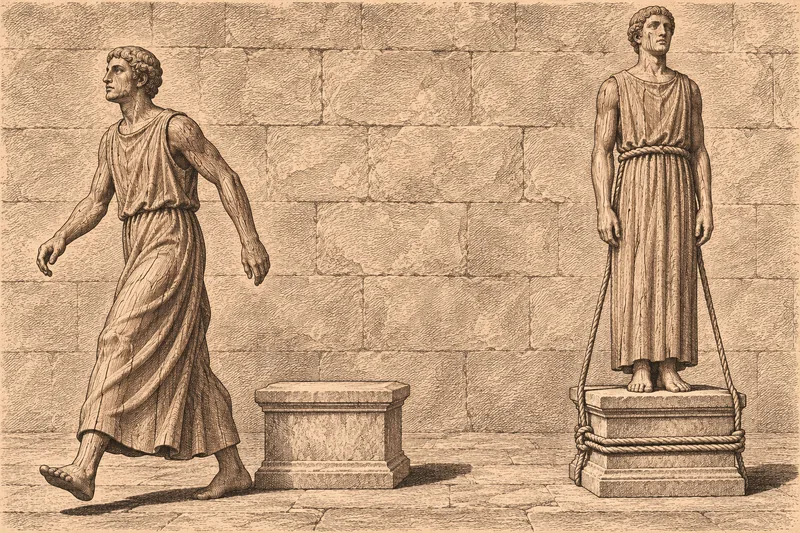
Socrates Because you haven’t paid attention to Daedalus’s65 statues. Perhaps you don’t have any where you live.
Meno What do you mean by that?
Socrates They too escape and run away if they aren’t tied down, but stay if they are.
Meno 97e And what of it?
Socrates One of his works is worth very little as a possession if it isn’t tied down—like a runaway slave, it won’t stay—but a great deal if it is, because his works are very fine. What do I mean by all this? True opinions. True opinions too are a fine thing as long as they stay, and they produce all 98a good things; but they are unwilling to stay long and run away from a person’s soul, so they aren’t worth much until someone ties them down by reasoning out the explanation.ag This, my friend Meno, is recollection, as we agreed earlier. Once they are tied down, first they become knowledge, and then they last. That is why knowledge is more valuable than right opinion; knowledge differs from right opinion in its bond.
Meno By Zeus, Socrates, it does seem something like that.
Socrates 98b And I too speak as someone who does not know, but guesses. But that right opinion and knowledge are different is, I think, no guess of mine; if there is anything else I would claim to know—and I would claim very little—I would count this too among the things I know.
Meno And you’re right to say so, Socrates.
Socrates What about this? Am I not also right that true opinion as a guide achieves the result of each action just as well as knowledge?
Meno I think that is true too.
Socrates 98c So in action right opinion will be no worse or less beneficial than knowledge, nor will the man with right opinion be worse than the man with knowledge.
Meno That’s so.
Socrates And we have agreed that a good man is beneficial.
Meno Yes.
Socrates Since, then, men would be good and beneficial to cities, if there are such men, not only through knowledge but also through right opinion, and neither of these belongs to people by nature—98d neither knowledge nor true opinion, †nor are they acquiredah—or do you think either belongs to them by nature?
Meno I don’t.
Socrates Then since they do not come by nature, good men would not be good by nature either.
Meno Certainly not.
Socrates And since excellence does not come by nature, we next considered whether it is teachable.
Meno Yes.
Socrates Then we thought excellence was teachable if it was understanding?
Meno Yes.
Socrates And if it were teachable, it would be understanding?
Meno Certainly.
Socrates 98e And if there were teachers, it would be teachable, but if there were none, it would not?
Meno That’s so.
Socrates But we agreed that there are no teachers of it?
Meno That’s so.
Socrates Then we agreed that it is neither teachable nor understanding?
Meno Certainly.
Socrates But we do agree that it is good?
Meno Yes.
Socrates And that whatever guides correctly is beneficial and good?
Meno Certainly.
Socrates 99a And only these two guide correctly, true opinion and knowledge; a person who possesses them guides correctly. For things that turn out correctly through some chance do not come about through human guidance; but where a person guides us toward what is correct, it is by these two, true opinion and knowledge.
Meno I think so.
Socrates Then since excellence isn’t teachable, it no longer turns out to be knowledge?
Meno Apparently not.
Socrates 99b So one of our two good and beneficial things has been ruled out, and knowledge would not be the guide in political action.ai
Meno I don’t think so.
Socrates So it wasn’t through any wisdom, or because they were wise, that men like Themistocles and those Anytus here was just speaking of guided their cities. That is why they cannot make others like themselves: they are not what they are through knowledge.
Meno It seems to be as you say, Socrates.
Socrates Then if it is not through knowledge, the remaining possibility is good opinion.aj 99c Statesmen use it to set their cities right, and have no more understanding than oracle-singers66 and divinely inspired diviners: they too speak many true things when divinely inspired, but know nothing of what they say.
Meno That seems likely.
Socrates Then, Meno, shouldn’t we call men divine when, without sense,ak they succeed in many great things they do and say?
Meno Certainly.
Socrates Then we would be right to call divine those we were just speaking of—99d oracle-singers and diviners—and all poets too. And we could say that statesmen, no less than these, are divine and divinely inspired, breathed upon and possessed by the god, when by what they say they succeed in many great affairs, without knowing anything of what they say.
Meno Certainly.
Socrates Women too, I suppose, Meno, call good men divine; and when the Spartans67 praise a good man, they say, “This man is divine.”
Meno 99e They do seem to be right, Socrates. Still, perhaps Anytus here is annoyed with you for saying this.
Socrates That doesn’t concern me. We’ll talk with him another time, Meno. But if we have inquired and spoken well throughout this whole discussion, excellence would neither come by nature nor be teachable, but would come by divine dispensation,al without sense, to those who 100a receive it, unless there is a statesman capable of making someone else a statesman too. If there were, he could almost be described as being among the living what Homer68 said Tiresias was among the dead, saying of him that “he alone has understanding” among those in Hades, while “the others are flitting shadows.” In the same way, such a man here would be like a real thing beside shadows where excellence is concerned.
Meno 100b I think you’ve put it beautifully, Socrates.
Socrates Then by this reasoning, Meno, excellence appears to come by divine dispensation to those who receive it. But we will know the clear truth about this when, before asking how excellence comes to people, we first attempt to inquire what excellence is in itself. Now it is time for me to go somewhere, but you must persuade your host Anytus here of the very things you yourself have been persuaded of, so that 100c he will be gentler. For if you persuade him, you will do the Athenians some good too.