8.1 This too helps curb vanity: it is too late for you to have lived your whole life, or even your life from youth onward, as a philosopher. Many other people, and you yourself, have seen plainly how far you are from philosophy. Your life is muddled, then, so earning a philosopher’s reputation is no longer easy; your position works against it too. If, then, you have really seen what matters, give up worrying about how you will appear, and be content if you live whatever remains of your life as your nature wants. So understand what it wants, and let nothing else distract you: you have experienced so many wanderings without finding a good life anywhere—not in logical arguments, not in wealth, not in reputation, not in enjoyment, nowhere.
Where, then, is it? In doing what human nature asks. How, then, will you do that? By having principles from which your impulses and actions follow. What principles? About good and bad: nothing is good for a person unless it makes that person just, self-controlled, courageous, free, and nothing is bad unless it produces the opposite.
8.2 With each action, ask yourself: How does this affect me? Will I regret it? A little longer and I am dead, and all this is over. What more do I want, if what I am doing now is the work of an intelligent, social creature under the same law as god?
8.3 What are Alexander the Great, Julius Caesar, and Pompey beside Diogenes1 the Cynic, Heraclitus, and Socrates? For these last understood things, their causes, and their matter, and their ruling parts remained unchangeda; but the others—how many things they looked after, how many they were slaves to!
8.4 They will still do the same things, even if you burst.
8.5 First, do not be upset: everything happens in line with the nature of the whole, and before long you will be nobody, nowhere, like Hadrian and Augustus. Then take a steady look at the matter itself. Remember at the same time that you must be a good person and what human nature requires; do that without turning aside, and say what seems most just to you, only with goodwill, modesty, and sincerity.
8.6 The nature of the whole has this work to do: move what is here over there, change it, take it from this place and carry it to that. Everything changes, but there is no need to fear something new. Everything is familiar; the allotments are equal too.
8.7 Every nature is content with itself when it is doing well, and a rational nature does well when, among its impressions, it gives assent to nothing false or unclear, directs its impulses only toward actions for the community, confines its desires and aversions to what is up to us, and welcomes everything allotted by the common nature. For it is part of that nature, as the nature of a leaf is part of the nature of a plant. Except that the leaf’s nature is part of a nature without sensation or reason, which can be obstructed, whereas human nature is part of an unobstructed, intelligent, just nature—if indeed that nature gives each an equal and fitting share of time, substance, cause, activity, and circumstances. But look to see not whether you find one item equal to another in every case, but whether everything belonging to this one, taken together, equals everything belonging to the other.
8.8 You cannot read.b But you can restrain your insolence; you can overcome pleasures and pains; you can rise above your petty reputation; you can keep from being angry with unfeelingc, ungrateful people, and care for them besides.
8.9 Let no one hear you complaining about life at court again—not even yourself.
8.10 Regret is a kind of self-reproach for having let something useful slip by. But what is useful must be something good, and a good, honorable man must attend to it. Yet no good, honorable man would regret having let a pleasure slip by; therefore pleasure is neither useful nor good.
8.11 What is this thing in itself, in its own constitution: what are its substance and matter, what is its causal part, what does it do in the universe, and how long does it last?
8.12 When you find it hard to wake from sleep, remind yourself that doing work for the community accords with your constitution and human nature, while sleep is shared with irrational animals; what is in line with each creature’s nature is more its own, more suited to it, and also more pleasing.
8.13 Constantly examine impressions in terms of nature,2 the passions,d and logic—every impression, if possible.
8.14 Whenever you meet someone, say to yourself at once: What principles does this person hold about good and bad? For if he holds such-and-such principles about pleasure and pain and what produces each, about reputation and disrepute, death and life, it will seem neither surprising nor strange to me if he acts in such-and-such ways, and I will remember that he is compelled to act like this.
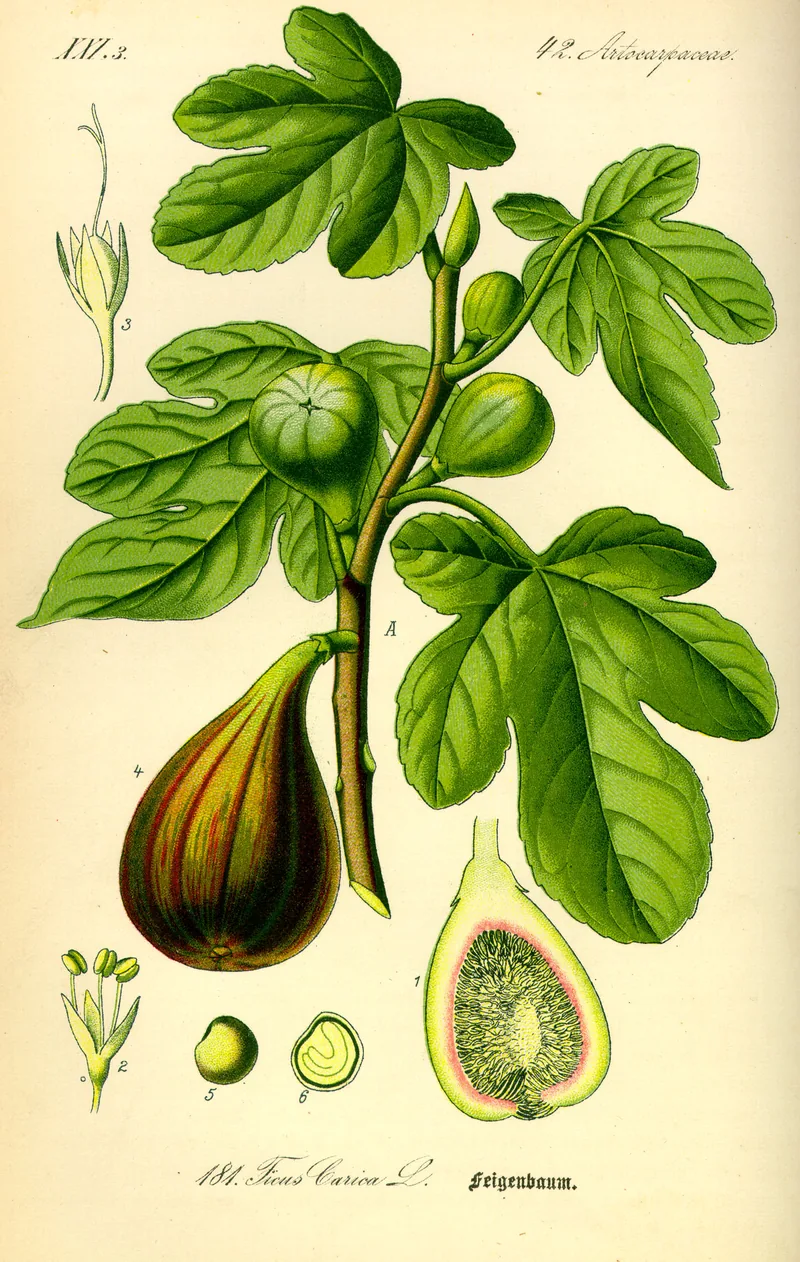
8.15 Remember: just as it is shameful to be surprised that a fig tree bears figs, so it is to be surprised that the universe bears the sorts of things it produces. It is shameful too for a doctor or a helmsman to be surprised that this man has a fever or that a headwind has arisen.
8.16 Remember that changing your view and following someone who corrects you are equally free actions: the activity is yours, carried through in line with your own impulse and judgment, and with your own mind as well.
8.17 If it is up to you, why are you doing it—but if it is up to someone else, whom do you blame: the atoms or the gods? Either is madness. You must blame no one. For if you can, correct the person; if you cannot do that, at least correct the thing itself; if you cannot do even that, what use is blaming anyone? Nothing should be done pointlessly, after all.
8.18 What dies does not fall outside the universe. Ife it stays here, it changes here and dissolves into its own constituents, which are elements of the universe and of you. These too change, and do not grumble.
8.19 Everything has come into being for something: a horse, a vine. Why be surprised? Even Helios, the sun god, will say, “I came into being to do some work,” and so will the other gods. What, then, did you come into being for? To enjoy yourself? See whether the idea stands up.
8.20 Nature has aimed at the ending of each thing no less than at its beginning and its course, like someone throwing a ball into the air. So what is good for the little ball in rising, or bad for it in falling, or in having fallen? What is good for a bubble in holding together, or bad for it in bursting? The same with a lamp.
8.21 Turn it inside out and look at what it is like, and what it becomes when it grows old, falls ill, prostitutes itself.f Both the one who praises and the one praised are short-lived, as are the one who remembers and the one remembered. And all this in a corner of this region; not even here does everyone agree, nor does anyone even agree with himself; and the whole earth is a point.
8.22 Pay attention to the object, or the principle, or the activity, or the meaning. You deserve what you are suffering: you would rather become good tomorrow than be good today.
8.23 Am I doing something? I do it with the aim of benefiting people. Is something happening to me? I accept it, referring it to the gods and the source of everything, from which all that happens is spun out together.
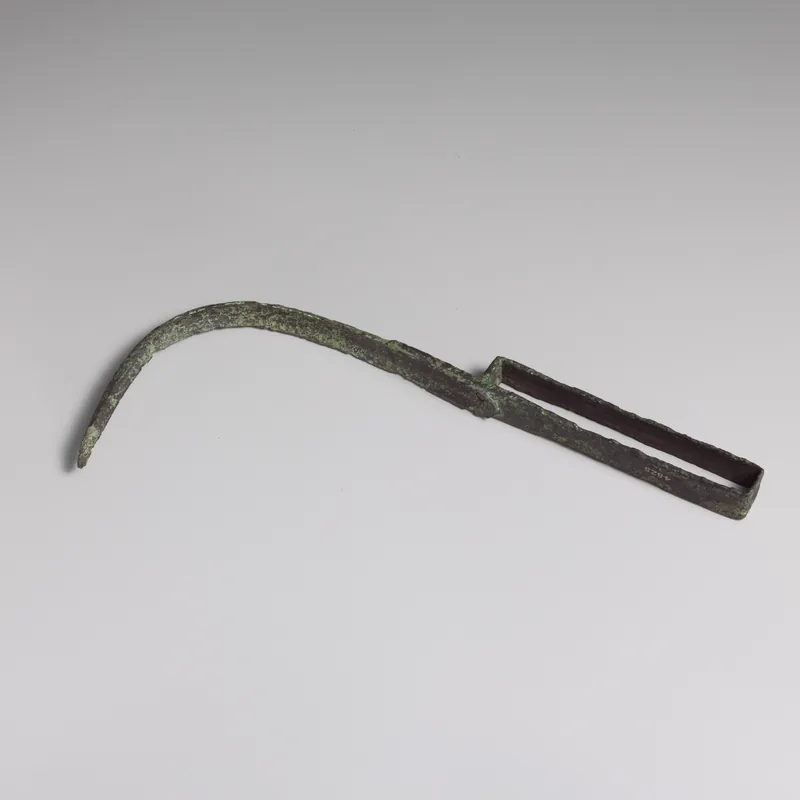
8.24 Bathing3 as you see it: oil, sweat, dirt, slimy water, everything disgusting. Every part of life and every object is like that.
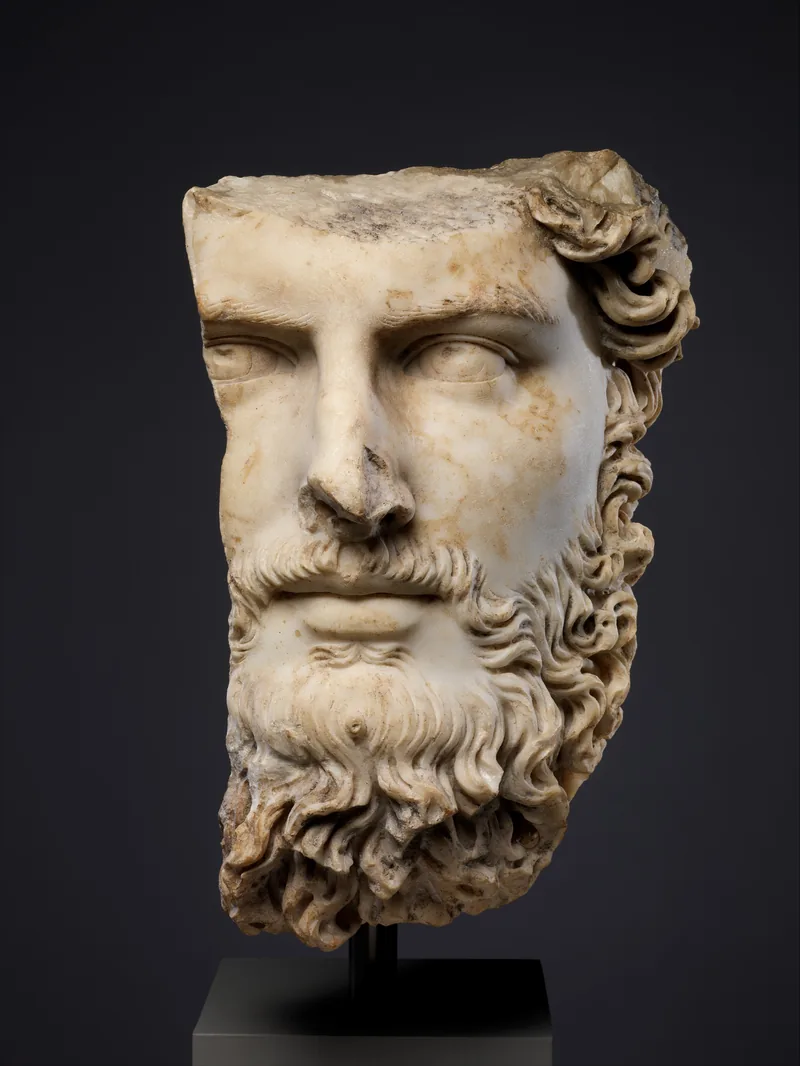
8.25 Lucilla4 buried Verus, then Lucilla was buried; Secunda5 buried Maximus, then Secunda was buried; Epitynchanus6 buried Diotimus, then Epitynchanus was buried; Antoninus Pius buried Faustina7 the Elder, then Antoninus was buried. Everything goes like this: Celer8 buried Hadrian, then Celer was buried.g And those sharp minds, or men of foresight, or men swollen with conceit—where are they? Sharp minds such as Charax9, Demetrius the Platonist, Eudaemon, and anyone like them. All creatures of a day, long dead: some not remembered even briefly, others turned into stories, others now faded even from stories. So remember this: your little compound must be scattered, or your little breath extinguished, or transferred and stationed elsewhere.
8.26 A human being’s joy is to do a human being’s work. And a human being’s work is goodwill toward others of the same kind, contempt for the movements of the senses, discrimination among persuasive impressions, and a survey of the nature of the whole and what happens in line with it.
8.27 Three relationships: to the vessel that surrounds you, to the divine cause from which everything happens to everyone, and to the people you live with.
8.28 Pain is either bad for the body—then let the body say so—or for the soul; but the soul can preserve its own clear skies and still seas, and refuse to suppose that pain is bad. For every judgment, impulse, desire, and aversion is within, and nothing climbs up here.
8.29 Erase your impressions, constantly telling yourself: “Right now it is up to me that this soul should contain no wickedness, no craving, no disturbance at all, but that I should see everything as it is and deal with each thing according to its worth.” Remember this power you have by nature.
8.30 Speak appropriately, without elaborate phrasing, both in the Senate10 and to anyone at all; use sound language.
8.31 The court of Augustus: wife, daughter, grandchildren, stepsons, sister, Agrippa11, relatives, household, friends, Arius, Maecenas, doctors, sacrificial priests—the whole court dead. Then go on to the other courts …h not to the death of a single person, but, for instance, to the Pompey family,12 and to that inscription on tombs, “The last of his own family.” Think how hard earlier generations struggled to leave a successor, and then someone has to be the last: here again, the death of a whole family.
8.32 You must put your life together one action at a time and be content if each contributes its part as far as possible; no one can stop you from ensuring that each contributes its part.
“But something outside will stand in the way.”
“Nothing will stop you from acting justly, with self-control, and with good sense, though some other activity may be blocked. But by welcoming the obstacle itself and sensibly turning to what is available, you immediately substitute another action that will fit into the whole we are discussing.”
8.33 Accept without conceit; let go easily.
8.34 If you have ever seen a severed hand or foot, or a head cut off and lying somewhere apart from the rest of the body—that is what someone makes of himself, so far as it is up to him, when he rejects what happens and cuts himself off, or does something against the community. You have been cast away somewhere from the unity of nature: you grew as a part of it, but now you have cut yourself off. Yet here is the beautiful thing: you can join yourself to it again. The god has allowed no other part to reunite once it has been separated and cut away. But consider the kindness with which he has honored a human being. For he has put it in a person’s power not to break away from the whole in the first place, and, after breaking away, to return, grow back, and regain his place as a part.
8.35 Just as, roughly speaking, rational nature has given each rational being its other powers, so we have received this power from it too.i For just as it turns every obstruction and opposition to its own purposes, assigns it a place in fate, and makes it part of itself, so a rational creature too can make every obstacle its own material and use it for whatever it has set out to do.
8.36 Do not let the impression of your whole life confuse you. Do not think all at once of all the troubles, of every kind, that are likely to befall you; instead, with each present situation, ask yourself: What is unbearable, impossible to endure, in this? For you will be ashamed to admit it. Then remind yourself that neither the future nor the past weighs on you, but always the present; and this shrinks to very little if you mark it off on its own and rebuke your thinking part if it cannot hold out against this alone.
8.37 Are Panthea13 or Pergamus sitting beside Verus’s tomb now—or Chabrias or Diotimus beside Hadrian’s? Ridiculous. And if they were, would the dead notice? And if they noticed, would they be pleased? And if they were pleased, would the mourners be immortal? Was it not fated for these too first to become old women and old men, and then to die? What, then, would the dead do afterward, when the mourners had died? All this is stench and gore in a sack.
8.38 “If you can see keenly, look with the wisest judgment,” he says.jk
8.39 In the constitution of a rational creature I see no excellence that rebels against justice, but I do see one that rebels against pleasure: self-restraint.
8.40 Remove your opinion about what seems to distress you, and you yourself stand in the safest position.
“Who is ‘yourself’?”
“Reason.”
“But I am not reason.”
“Granted. Then let reason itself refrain from distressing itself, and if anything else in you is suffering, let it form its own opinion about itself.”
8.41 An obstruction of sensation is bad for animal nature. An obstruction of impulse is likewise bad for animal nature. There is something else that likewise obstructs a plant’s constitution and is bad for it. So an obstruction of mind is bad for a nature endowed with mind.
Apply all this to yourself. Do pain or pleasure touch you? Sensation will see to it. Did something obstruct your impulse? If your impulse was without reservation,l that is already bad for you as a rational being; but if you allow for the common course of things,m you have not yet been harmed or obstructed. No one else, though, normally obstructs the mind’s own activities: neither fire nor iron nor a tyrant nor abuse nor anything whatsoever touches it, once it has become
“a sphere, rounded in solitude.”14
8.42 I do not deserve to cause myself distress, since I have never willingly caused distress even to another person.
8.43 Different things delight different people; what delights me is keeping my ruling part healthy, turning away from no person and nothing that happens to people, but looking at everything with kindly eyes, accepting it, and using each thing according to its worth.
8.44 Look—give yourself the present time. Those who prefer to pursue fame after death do not reckon that the people to come will be just like the people they find so burdensome now; and they too are mortal. What does it matter to you at all if they echo this or that, or hold this or that opinion about you?
8.45 Pick me up and throw me wherever you want. For there too I will keep my daimon serene—that is, satisfied if it is as its own constitution requires and acts accordingly. Is this worth making my soul suffer and become worse—abased, desiring, cowering, frightened? And what will you find that is worth that?
8.46 Nothing can happen to a person that is not the kind of thing that happens to people, or to an ox that does not happen to oxen, or to a vine that does not happen to vines, or to a stone that is not proper to stones. So if each thing meets with what is both usual and natural for it, why should you be upset? For the common nature has brought you nothing unbearable.
8.47 If you are distressed over something outside you, it is your judgment of it that troubles you, not the thing itself, and erasing that judgment right now is up to you; but if something in your own disposition distresses you, who stops you from correcting the principle? Likewise, if you are distressed because you are not doing something that seems sound to you, why not do it instead of being distressed?
“But something stronger stands in the way.”
“Then do not be distressed: you are not the cause of its being left undone.”
“But life is not worth living if this is not done.”
“Then leave life with goodwill, just as the person who does it dies, while remaining kindly disposed toward whatever stands in the way.”
8.48 Remember that the ruling part becomes invincible when it withdraws into itself and is content with itself, doing nothing it does not want to do, even if its resistance is unreasonable. What, then, when it judges something with reason and careful consideration? That is why thought free from passions is a citadel: a person has no stronger place to take refuge in and thereafter remain beyond capture. So whoever has not seen this is ignorant, but whoever has seen it and does not take refuge is unfortunate.
8.49 Tell yourself nothing beyond what the first impressions report. You are told that someone is speaking ill of you. That is what you are told; you are not told that you have been harmed. I see that the child is ill. I see that; I do not see that the child is in danger. So stay always with the first impressions and add nothing of your own from within, and nothing happens to you—or rather, add to them as someone familiar with each thing that happens in the universe.
8.50 Bitter cucumber? Leave it. Brambles in the road? Turn aside. That is enough. Do not go on to ask, “Why did these things come into being in the universe?” For a student of nature will laugh at you, just as a carpenter or a shoemaker would laugh at you if you complained about seeing shavings and cuttings from their work in the workshop. Yet they do have somewhere to throw them, while the nature of the whole has nothing outside itself. But the wonder of its craft is that, within the limits it has set itself, it transforms everything that seems to decay, grow old, or be useless into itself, and makes fresh things from these again, so that it needs neither substance from outside nor somewhere to discard what is rotting. So it is content with its own space, its own matter, and its own craft.
8.51 Do not be slipshod in your actions, muddle your conversations, wander in your impressions, let your soul contract completely or leap outward, or live without leisure.
They kill you, butcher you, hound you with curses.n What do these things have to do with your thought staying pure, sane, self-controlled, just? Suppose someone stood beside a clear, sweet spring and abused it: it would still go on bubbling up drinkable water. Even if he threw mud or dung into it, it would very quickly scatter and wash them away, without being stained at all. How, then, will you have an ever-flowing spring and not a well? If you keep yourself free at every hour, with goodwill, simplicity, and modesty.
8.52 Anyone who does not know what the universe is does not know where he is, and anyone who does not know what he exists foro does not know who he is or what the universe is. And anyone who lacks either of these cannot even say what he himself exists for. So what do you think of someone who shuns or chases the praise of people who clap, who do not know either where they are or who they are?
8.53 Do you want praise from someone who curses himself three times an hour? Do you want to please someone who does not please himself? Does someone please himself if he regrets almost everything he does?
8.54 No longer merely breathe with the air around you; now think with the intelligence that surrounds everything as well. For the power of intelligence is no less widespread and all-pervading for anyone who can draw it in than the power of air is for anyone who can breathe.
8.55 Wickedness in general does the universe no harm, and wickedness in a particular person does someone else no harm; it harms only the person who has also been given the power to be free of it as soon as he wants.
8.56 To my faculty of choice,p my neighbor’s faculty of choice is as much an indifferent thing as his little breath and scrap of flesh. For however fully we were made for one another, our ruling parts each have their own authority; otherwise my neighbor’s wickedness would be bad for me, and the god did not approve of that, so that my misfortune would not be up to someone else.
8.57 The sun seems to be poured down, and is certainly poured in every direction, yet is not poured away. For this pouring is an extension; its beams, at any rate, are called rays because they extend.q You could see what a ray is like if you watched sunlight entering a darkened room through a narrow opening: it stretches straight ahead and seems to brace itself against whatever solid object it meets that cuts off the air beyond. There it stays, without slipping down or falling.
So thought must pour out and spread in this way: an extension, never a pouring away. When it encounters obstacles, it must not press against them violently or impetuously, or fall down, but stand firm and shine on what receives it. For whatever does not let the light through will deprive itself of its radiance.
8.58 Anyone afraid of death fears either the absence of sensation or sensation of a different kind. But if you no longer have sensation, you will not sense anything bad either; if you acquire sensation of a different kind, you will be a creature of a different kind and will not stop living.
8.59 People have come into being for one another; so either teach them or bear with them.
8.60 An arrow moves one way, mind another. Yet mind, both when it takes precautions and when it turns a question over, still moves straight ahead and toward its aim.
8.61 Enter each person’s ruling part, and let everyone else enter your own ruling part too.
